
Select your language
 Vietnamese
  日本語
日本語  English

- Details
- News
- Hits: 223
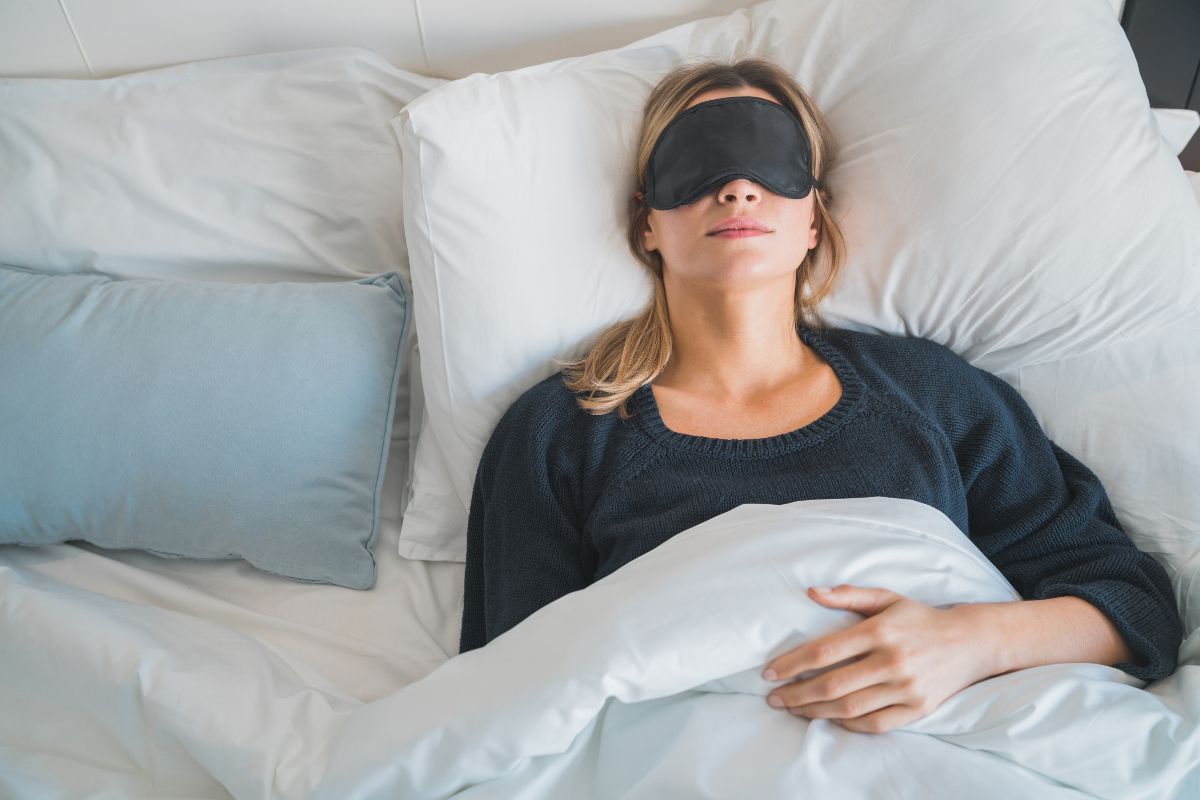
Insomnia, difficulty falling asleep, and frequent nighttime awakenings are increasingly common in modern life. Many people turn to sleep support supplements as a quick way to improve sleep quality. But are these products a safe, sustainable solution, or do they risk creating dependency? This article explores how sleep support supplements work and how to use them effectively.

- Details
- News
- Hits: 212
Omega-3 is not just a popular supplement ingredient; it is also a key nutrient for protecting cardiovascular health and supporting brain function. However, many people take omega-3 without fully understanding the right dosage or how to use it effectively. This article explains the role of DHA and EPA and how to supplement properly to maximize benefits.
- Details
- News
- Hits: 470
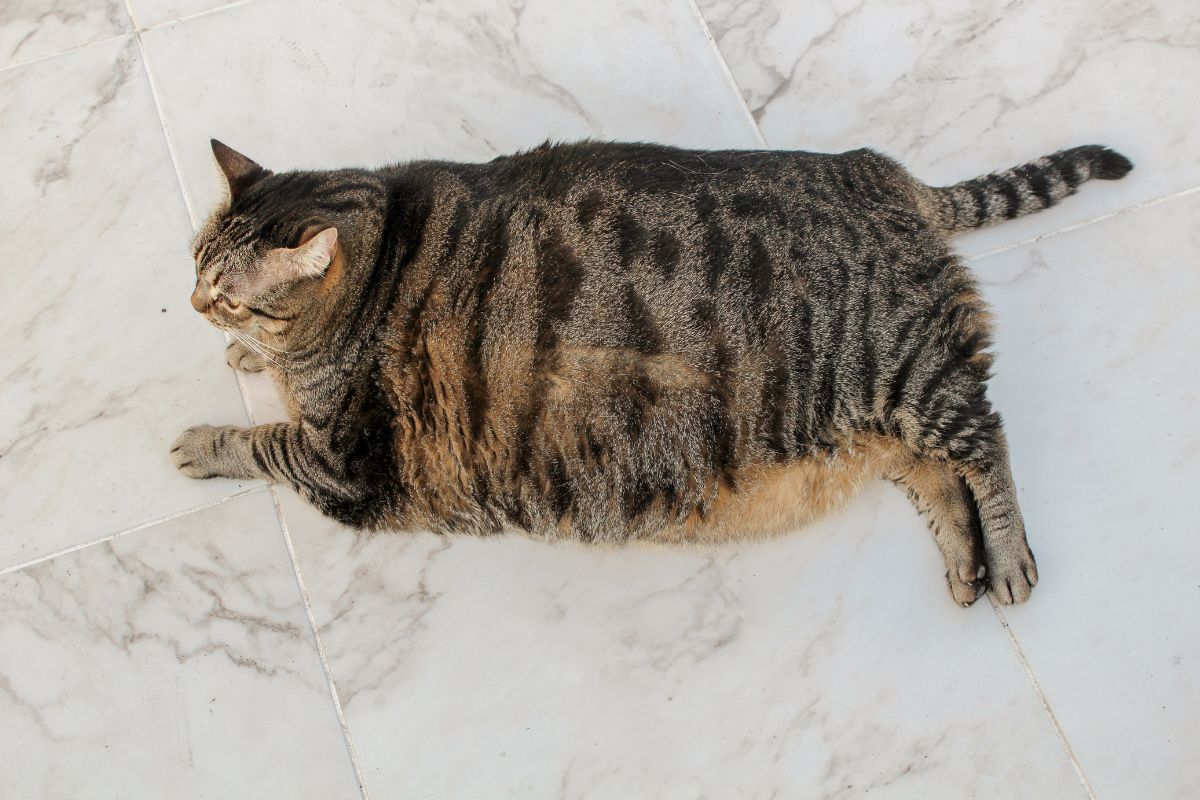
A cat that eats little but still gains weight can leave many owners confused. It is easy to assume your cat is secretly overeating or simply has a “slow body type,” but in reality, hidden factors related to metabolism, diet quality, and lifestyle may be involved. Understanding the real causes will help you manage your cat’s weight safely and reduce the risk of obesity and chronic diseases.

- Details
- News
- Hits: 274
A dog that stops eating but still appears healthy and active often makes owners feel less worried. Since “boss” is still running around, playing, and not showing signs like vomiting or diarrhea, many people choose to wait a few more days. However, when a dog suddenly loses its appetite despite remaining energetic, it can be an early sign of digestive issues, stress, or even an underlying medical condition. Understanding the real cause helps you respond appropriately and prevent long-term health effects.

- Details
- News
- Hits: 373
Many people go to bed on time and get the recommended 7–8 hours of sleep each night, yet still wake up feeling exhausted, sluggish, and mentally foggy. This situation is far from uncommon in modern life and often leaves people confused, wondering why they feel tired despite sleeping enough. So what are the real causes, and how can this condition be improved sustainably?
More Articles …
- Eating little but still feeling bloated and uncomfortable: What could be the cause?
- Dog licking paws constantly: Sign of stress or illness?
- Cats urinating or defecating outside the litter box: Bad behavior or a silent cry for help?
- Is taking probiotics every day good for you? Clearing up 5 misconceptions
News
-
Sleep support supplements: Solution or dependency?
-
Omega-3 and cardiovascular, brain health: How to use it effectively?
-
My cat eats little but still gains weight: 3 overlooked causes
-
Your dog is still active but suddenly stopped eating: Don’t ignore it
-
Sleeping enough but still waking up tired: A common issue for many people
