


 Vietnamese
  日本語
日本語  English
 Probiotics are becoming increasingly popular as a way to support digestion and overall gut health. Along with this growing interest, many questions arise: Should probiotics be taken every day? Is long-term use harmful? Or are probiotics only necessary when digestive problems occur? Most of these concerns stem from common misconceptions. Understanding probiotics correctly helps you use them more effectively and avoid unnecessary or incorrect use.
Is it really necessary to take probiotics every day?
Probiotics are beneficial microorganisms that reside in the gut and play a crucial role in digestion, nutrient absorption, and maintaining a balanced gut microbiome. Under ideal conditions, the body can sustain healthy gut bacteria through a balanced diet. However, modern lifestyles often involve stress, irregular eating habits, low fiber intake, or prior antibiotic use, all of which can disrupt the gut microbiome.
In such situations, taking probiotics daily is not mandatory. Still, it may help stabilize digestion and maintain better gut balance, especially for people with sensitive digestion or recurrent mild digestive disturbances.
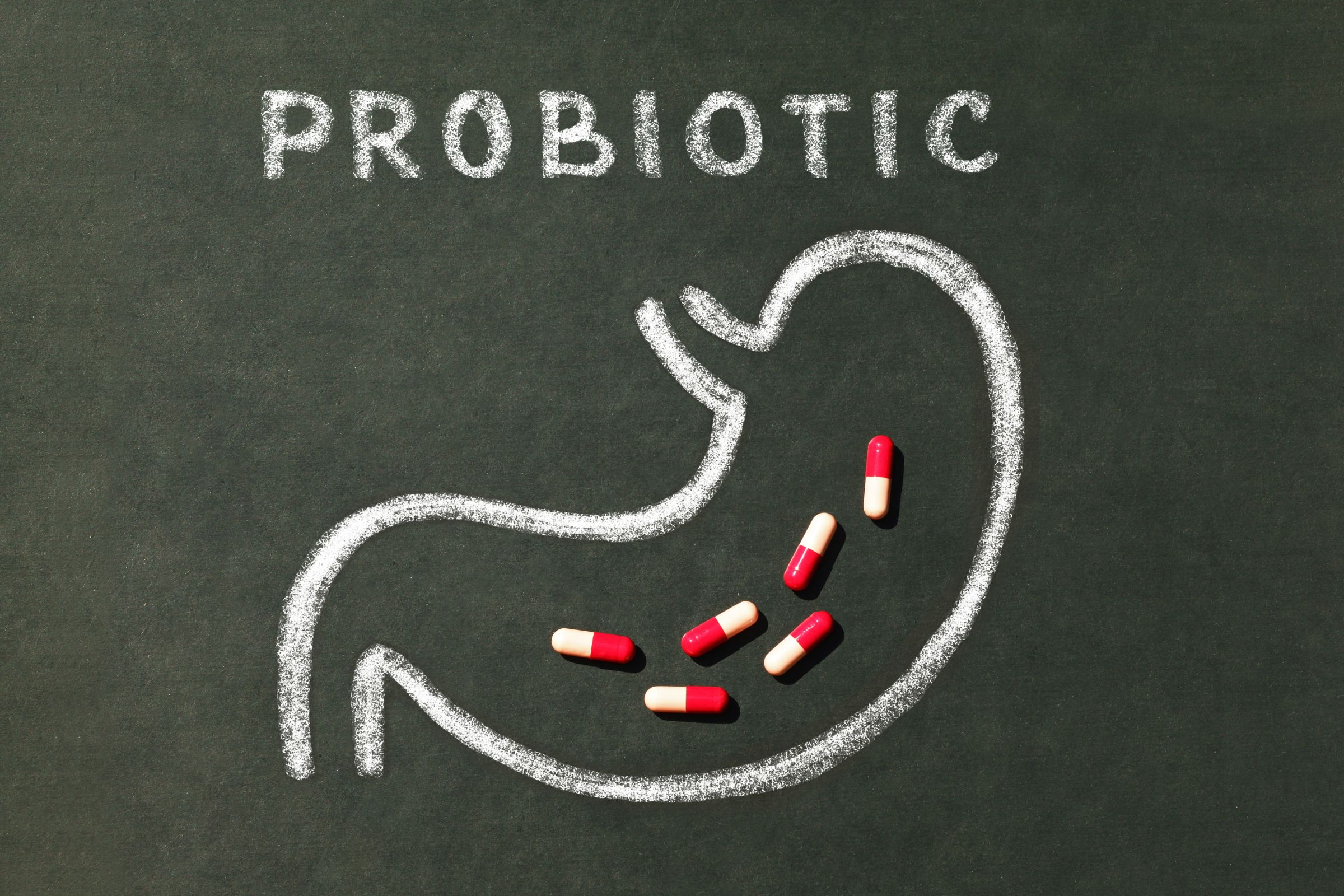
Misconception 1: The more probiotics you take, the better
Many people believe that higher doses of probiotics lead to better results. In reality, probiotics do not work on a “more is better” principle. Each product is formulated with a recommended dosage designed to deliver benefits without overwhelming the digestive system.
Taking excessive amounts does not improve effectiveness and may cause temporary bloating or discomfort, particularly in individuals with sensitive digestion. What matters most is using the right dose consistently and appropriately.
Misconception 2: Probiotics are only needed when you have diarrhea
Probiotics are commonly associated with managing diarrhea, especially after antibiotic use. However, their benefits extend beyond that. Probiotics help regulate bowel movements, improve stool consistency, and reduce bloating or digestive discomfort.
People who experience constipation, irregular bowel habits, or frequent post-meal discomfort may also benefit from probiotics, rather than waiting until symptoms become severe.

Misconception 3: Long-term probiotic use makes the gut “dependent”
Some people worry that regular probiotic use may cause the gut to rely on supplements and lose its natural function. In fact, probiotics do not replace the gut’s function. They support a healthy microbial environment that allows digestion to function more smoothly.
When probiotics are discontinued, the gut can continue working normally as long as a balanced diet and healthy lifestyle are maintained. Probiotics are not laxatives and do not cause dependency.
Misconception 4: All probiotics are the same
Not all probiotics offer the same benefits. Their effectiveness depends on the specific strain, its ability to survive digestion, and the level of scientific research supporting it. Different strains serve different purposes.
Certain strains have been widely studied for their role in supporting gut microbiome balance and improving functional digestive disorders. One example is Bifidobacterium longum BB536, which is found in BB536 Morinaga. This strain is often chosen to support sensitive digestive systems or periods of microbiome imbalance. Selecting the right strain is far more important than simply focusing on the number of bacteria.

Misconception 5: Taking probiotics alone is enough, lifestyle changes are unnecessary
Probiotics are not a substitute for a healthy diet and lifestyle. If eating habits remain unbalanced, fiber intake is low, stress levels are high, sleep is inadequate, or physical activity is limited, the benefits of probiotics will be reduced.
For probiotics to work effectively, they should be combined with a balanced diet, adequate hydration, and consistent daily routines. These factors create a supportive environment for beneficial bacteria to thrive.
Conclusion: Should you take probiotics every day?
Taking probiotics every day can be beneficial, but not in the sense of “the more, the better” or “take them and forget about everything else.” Understanding the role of probiotics, choosing suitable products, and combining them with a healthy lifestyle are key to maintaining long-term digestive health in a sustainable and effective way.