

 Vietnamese
  日本語
日本語  English
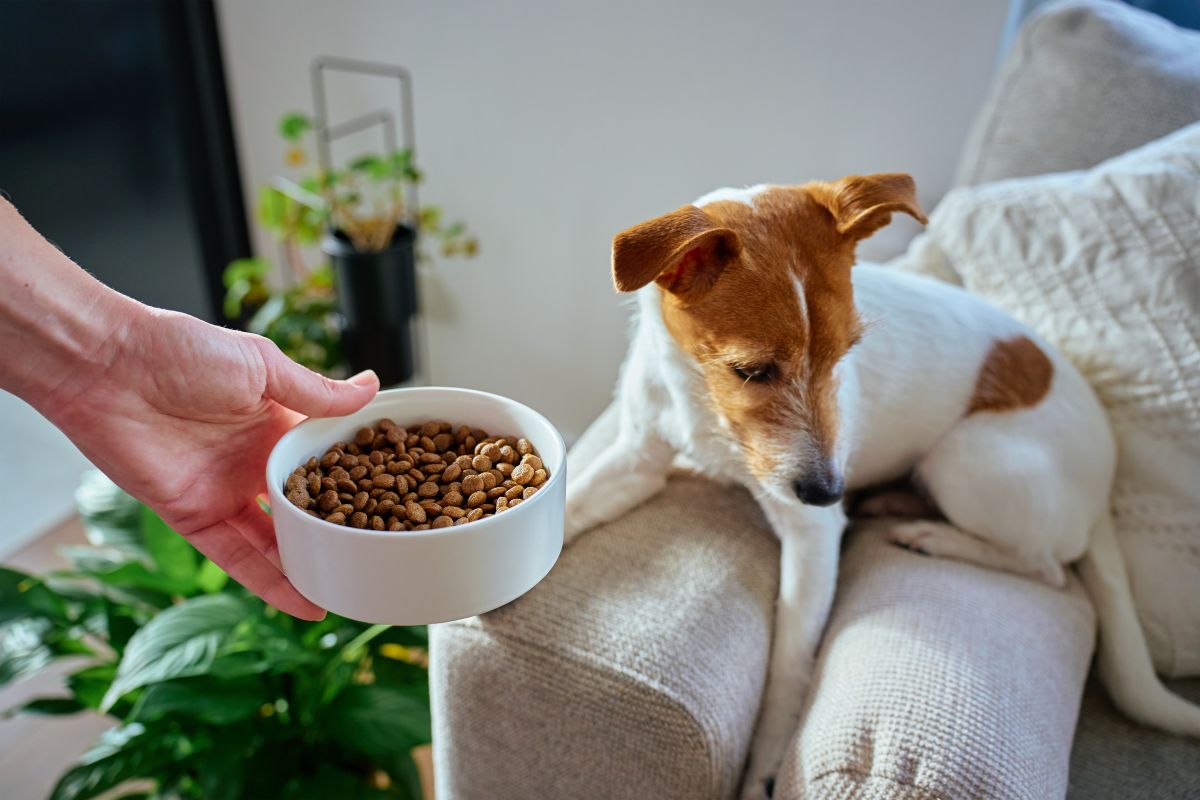
 A dog that stops eating but still appears healthy and active often makes owners feel less worried. Since “boss” is still running around, playing, and not showing signs like vomiting or diarrhea, many people choose to wait a few more days. However, when a dog suddenly loses its appetite despite remaining energetic, it can be an early sign of digestive issues, stress, or even an underlying medical condition. Understanding the real cause helps you respond appropriately and prevent long-term health effects.
Is it normal if a dog stops eating but still seems healthy?
Under normal circumstances, a healthy dog rarely skips meals on its own. Survival instincts drive dogs to maintain regular food intake to sustain energy levels. Therefore, when a dog refuses food but continues to run and play as usual, it may indicate a mild or early-stage issue.
During the first 24 hours, if your dog is still drinking water, not vomiting, not experiencing diarrhea, and maintaining normal energy levels, you may monitor the situation. However, if the loss of appetite lasts more than one to two days, especially in puppies or senior dogs, the risk of dehydration and physical decline increases.
It is important not to focus solely on activity levels while overlooking subtle changes such as gradually eating less, becoming pickier, or sniffing food and walking away.
Common causes of loss of appetite in dogs that remain active
A dog that stops eating but still appears energetic may be affected by various factors, ranging from simple to more complex causes.
Mild digestive upset
This is one of the most common reasons. When the digestive system experiences mild discomfort such as bloating, indigestion, or a sudden diet change, a dog may feel uneasy but not sick enough to show obvious symptoms. The dog continues normal activities but shows reduced interest in food.
If not addressed early, mild digestive disturbances can progress to vomiting, diarrhea, or intestinal inflammation. Maintaining a stable, easily digestible diet suitable for the dog’s age is essential to help restore digestive balance.
Environmental changes or mild stress
Dogs are sensitive to changes in their surroundings. Moving to a new home, a change in caregiver, schedule adjustments, or even emotional tension within the household can temporarily reduce a dog’s appetite.
In such cases, appetite loss may be accompanied by subtle behavioral shifts such as lying down more often, reduced interaction, or less enthusiasm for usual activities. Once the environment becomes stable and the dog feels secure again, appetite typically improves gradually.
Early stage of an underlying medical condition
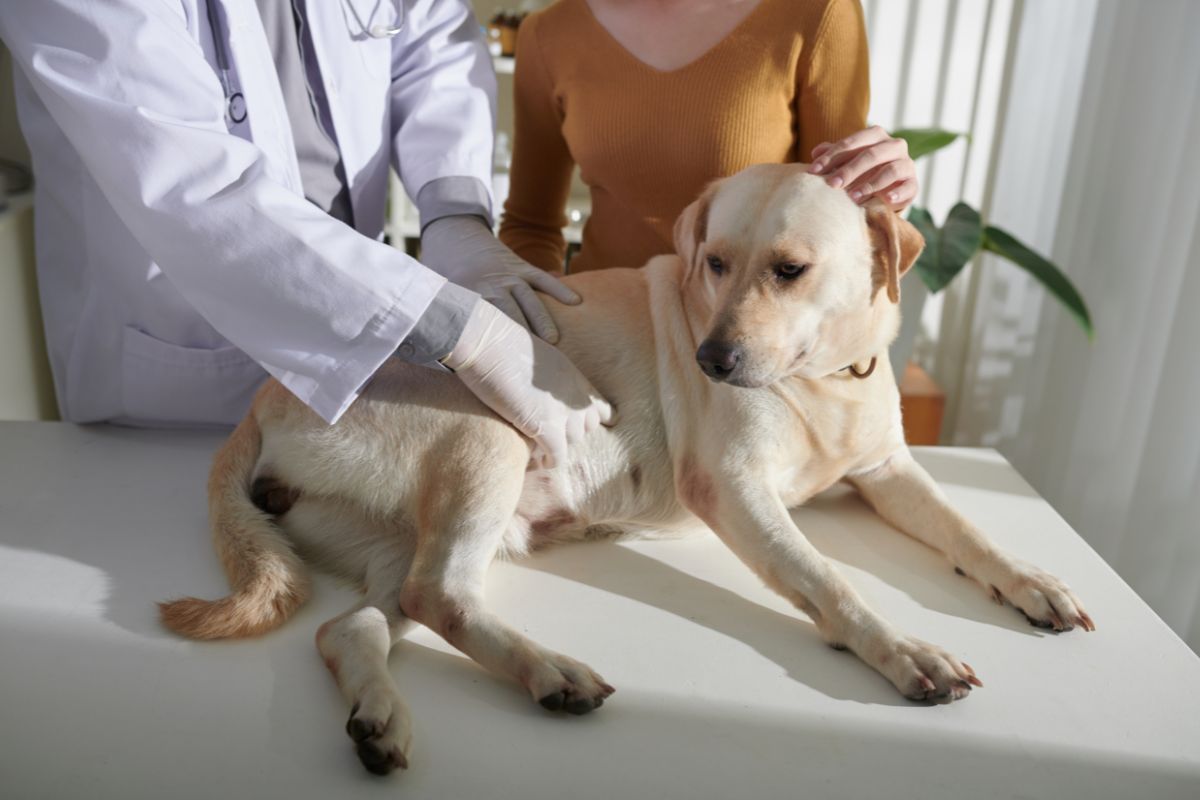
Certain health issues involving the liver, kidneys, pancreas, or intestinal parasites may initially present with very subtle signs, including decreased food intake while energy levels remain relatively stable. In the early stages, the body can compensate effectively, masking more serious symptoms.
For this reason, a dog that is not eating but still active should not automatically be considered completely healthy. Observing consistent changes over several days is key to identifying potential problems early.
How to distinguish between temporary appetite loss and medical-related loss of appetite
To assess the seriousness of the situation, owners should monitor the progression over consecutive days.
Temporary appetite loss often occurs when a dog overeats in a previous meal, experiences hot weather, or consumes too many treats. In these cases, the dog usually skips one meal and naturally resumes eating once hunger returns.
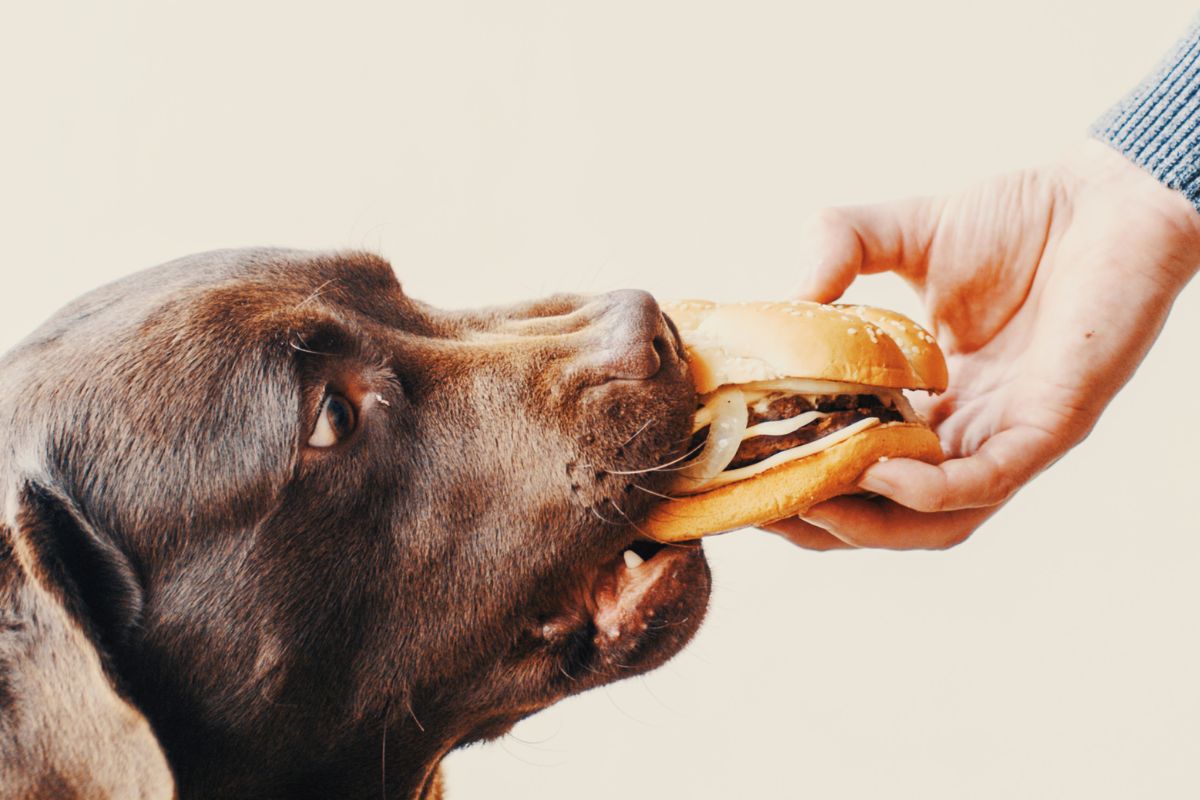
Medical-related appetite loss typically lasts longer than 24 to 48 hours and may gradually worsen. Additional signs can include changes in stool consistency, unusual breath odor, mild weight loss, or increased sleeping time.
The difference lies in duration and the pattern of behavioral change.
How to care for a dog that stops eating at home
If your dog stops eating but remains active, avoid forcing food immediately. First, check whether the food has changed in smell, taste, or storage condition.
If you recently switched to a new type of food, introduce it gradually by mixing it with the previous diet over five to seven days. Sudden dietary changes can cause digestive discomfort and food refusal.
Ensure your dog drinks enough water and maintains moderate physical activity, as movement can naturally stimulate appetite. Dividing daily food into smaller portions, rather than offering one large meal, may also reduce digestive pressure.
In the long term, a balanced diet rich in high-quality protein and easy-to-digest nutrients helps stabilize appetite and maintain body condition. Complete adult dog formulas, such as Body Builder Adult, designed for balanced nutrition, can support sustained energy levels and digestive health when building a structured feeding plan.

Most importantly, closely observe changes during the first few days. Careful monitoring by the owner plays a crucial role in detecting early warning signs.
A dog that stops eating but still appears healthy is not always facing a serious problem, but the situation should never be dismissed. It may simply be a temporary response to minor changes, or it could signal the early stage of digestive imbalance or an underlying condition.
Caring for a dog means paying attention not only to visible energy levels but also to subtle shifts in eating habits. Early awareness and timely adjustments help ensure long-term health and overall well-being for your companion.