

 Vietnamese
  日本語
日本語  English
 A cat that eats little but still gains weight can leave many owners confused. It is easy to assume your cat is secretly overeating or simply has a “slow body type,” but in reality, hidden factors related to metabolism, diet quality, and lifestyle may be involved. Understanding the real causes will help you manage your cat’s weight safely and reduce the risk of obesity and chronic diseases.
Why does my cat eat little but still gain weight?
Weight gain usually happens when calorie intake exceeds calorie expenditure. However, in cats, the issue is not just about “how much they eat” but also about “how their body processes food.”
A cat may consume a relatively small portion, yet if its metabolism slows down, physical activity decreases, or the diet is energy-dense, fat can gradually accumulate. This process often happens quietly, and by the time owners notice, the cat may already be significantly overweight.
Therefore, if your cat eats little but still gains weight, it is important to look at the bigger picture instead of simply cutting food portions abruptly.
Cause 1: Slow metabolism silently storing fat
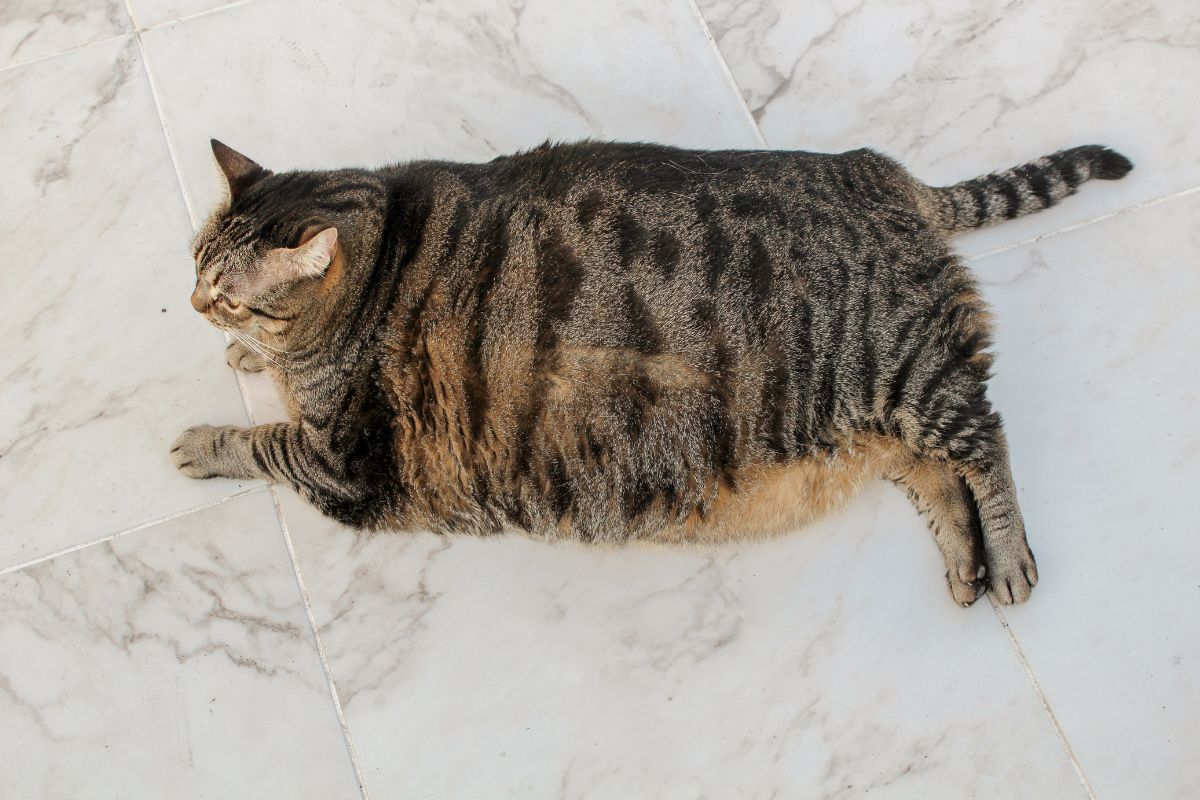
Metabolism plays a key role in weight control. When metabolic rate decreases, the body burns fewer calories and stores more energy as fat.
This situation is common in senior cats or neutered/spayed cats. After neutering, hormonal changes reduce energy requirements, but many cats continue eating similar portions as before. Without proper dietary adjustment, gradual weight gain becomes likely.
In rare cases, endocrine disorders may also affect body weight. Even if your cat does not eat much, its body may retain energy as fat reserves. Additional signs can include increased sleep, reduced activity, or behavioral changes.
Regular weight monitoring and routine health checkups help detect these issues early.
Cause 2: Eating little but consuming high-calorie food
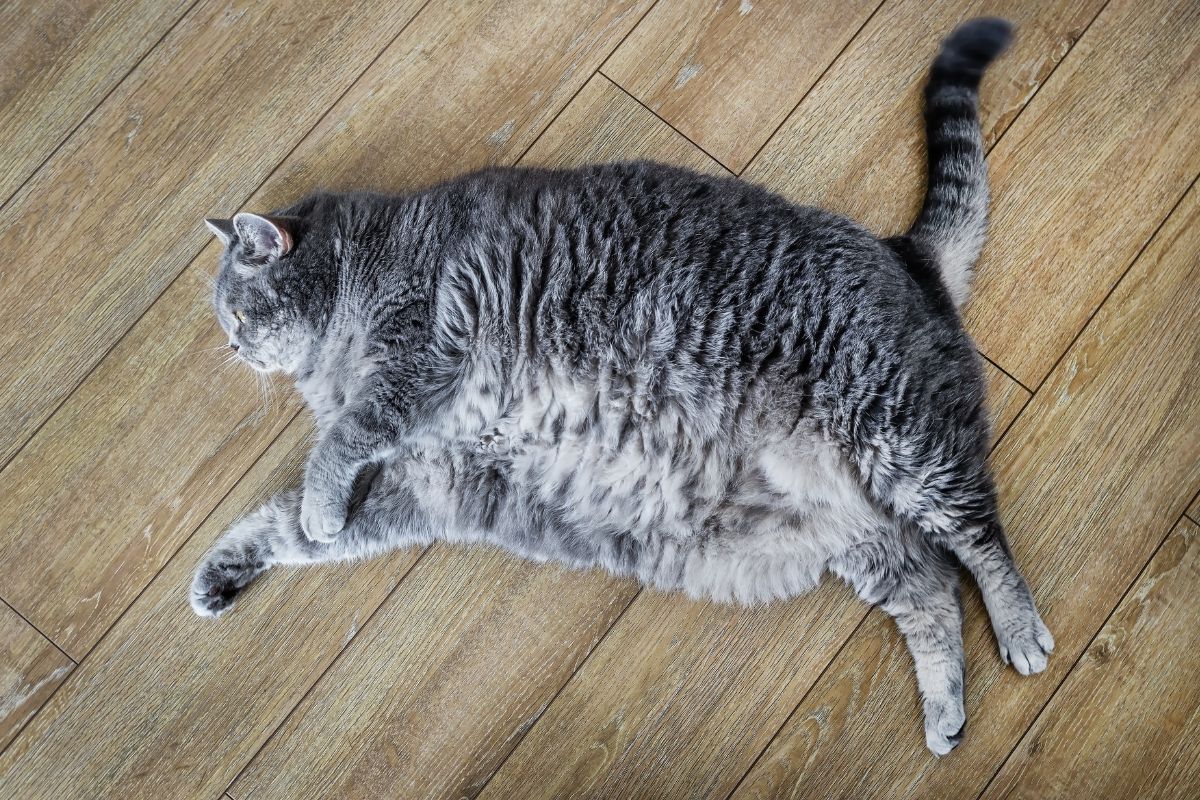
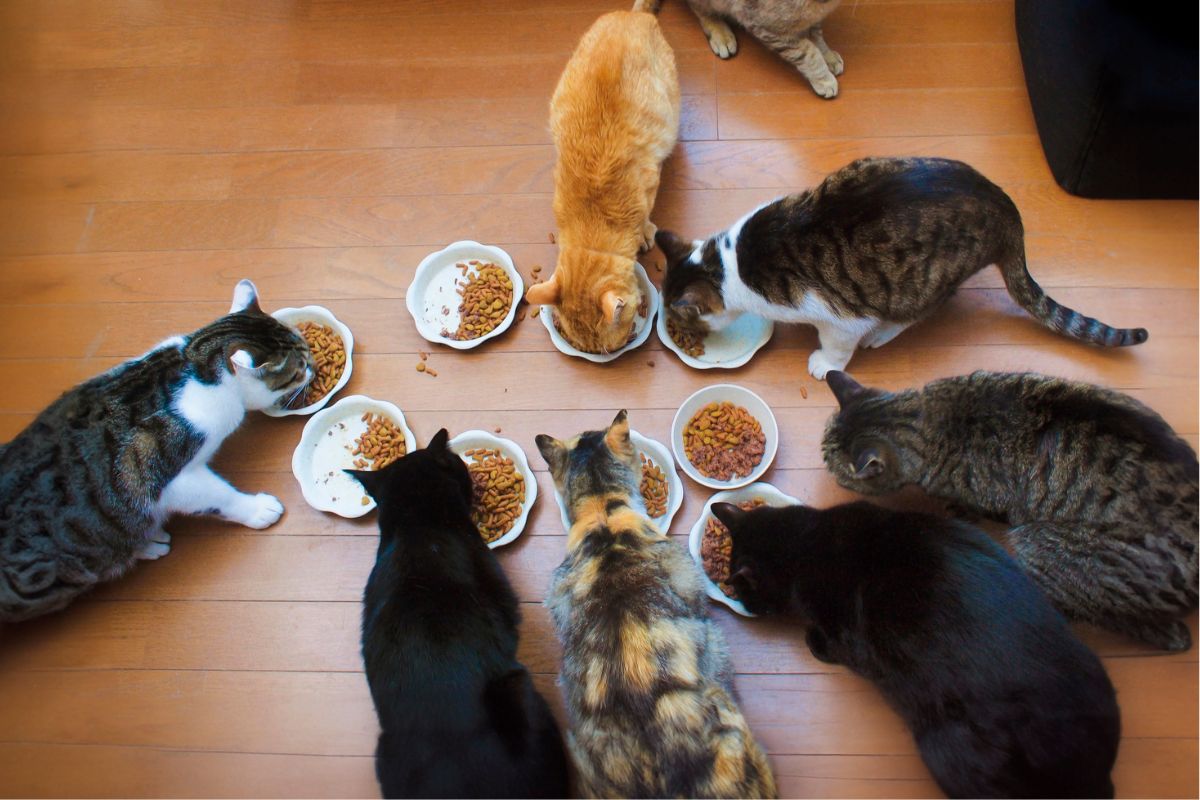
One common mistake is focusing only on portion size while ignoring energy density. Some foods contain high levels of fat or carbohydrates, meaning even small amounts can deliver excessive calories.
Cats are obligate carnivores, and their bodies are designed for a protein-rich diet from animal sources. Diets high in carbohydrates can cause rapid spikes in blood glucose, promoting fat storage. This explains why a cat may eat little but still gain weight.
Frequent treats or small snacks throughout the day can also increase total daily calorie intake without the owner realizing it.
To prevent this, choose food with clearly defined protein sources, balanced minerals, and formulas appropriate for your cat’s life stage. Complete and balanced diets such as Vet’s Selection PH Care Plus Stage for Cat are formulated to meet specific nutritional needs while helping maintain a stable body condition.
Cause 3: Reduced activity after neutering
Indoor cats typically sleep 12 to 16 hours a day. Without environmental enrichment or interactive play, their energy expenditure remains low.
After neutering, many cats become noticeably less active. Hormonal changes may slightly increase appetite while decreasing motivation to move. Even if food intake does not rise significantly, the imbalance between intake and expenditure can gradually lead to weight gain.
A monotonous indoor environment can also contribute to a routine of “eat and sleep,” reducing muscle mass and increasing fat accumulation over time.
If your cat eats little but still gains weight, observe daily habits closely. Improving activity levels can sometimes be more effective than reducing food portions alone.
Signs of abnormal weight gain in cats
Weight changes are not always obvious at first. Some common signs of overweight cats include:
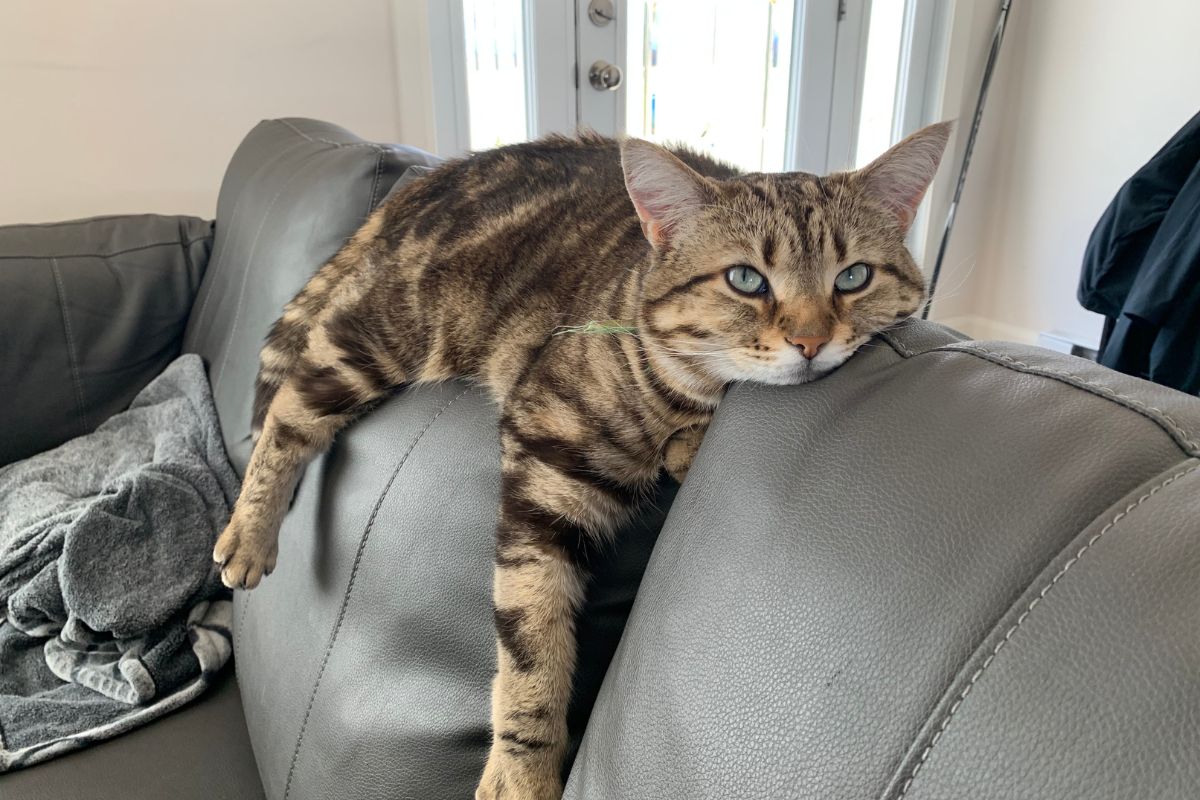
- A lack of a visible waistline when viewed from above.
- Difficulty feeling the ribs due to excess fat coverage.
- A sagging abdomen when walking.
- Quick fatigue during play or climbing.
If a cat exceeds its ideal body weight by 10–20%, it is already considered overweight. Without proper management, the risk of diabetes, fatty liver disease, joint problems, and cardiovascular issues increases.
How to manage your cat’s weight safely
First, determine your cat’s ideal weight based on breed, age, and body condition. Weigh your cat monthly to track changes accurately instead of relying on visual estimation.
Next, adjust feeding portions according to actual energy needs. Avoid drastic calorie cuts, as sudden changes may cause digestive upset or stress. Focus on balanced nutrition, limit excessive carbohydrates, and reduce unnecessary treats.
Encouraging daily exercise is equally important. Spend 15–20 minutes playing with your cat using feather wands, balls, or climbing structures. Regular activity helps improve calorie burning and maintain muscle mass.
If you suspect metabolic or hormonal disorders, consult a veterinarian for further evaluation. Early diagnosis allows for more effective management of cases where a cat eats little but still gains weight.
A cat that eats little but still gains weight is not an uncommon situation and should not be taken lightly. The causes may include slowed metabolism, energy-dense diets, or reduced physical activity after neutering.
Rather than focusing solely on food quantity, owners should take a comprehensive approach that includes nutrition, lifestyle, and overall health monitoring. With proper care and regular assessment, your cat can maintain an ideal weight and enjoy a healthier, more active life.