


 Vietnamese
  日本語
日本語  English
 Insomnia, difficulty falling asleep, and frequent nighttime awakenings are increasingly common in modern life. Many people turn to sleep support supplements as a quick way to improve sleep quality. But are these products a safe, sustainable solution, or do they risk creating dependency? This article explores how sleep support supplements work and how to use them effectively.
What are sleep support supplements?
Sleep support supplements are products formulated with ingredients that promote relaxation and improve sleep quality without being prescription sleep medications. Unlike sedative drugs, these supplements typically contain natural compounds such as glycine, L-theanine, melatonin, or herbal extracts.
Their general mechanism involves supporting the regulation of the central nervous system, easing stress, and helping the body transition into a relaxed state before bedtime. As a result, users may fall asleep more easily and experience fewer disruptions during the night.
However, not all sleep problems are the same. Understanding the underlying cause of insomnia is essential to determining whether sleep support supplements will be effective.
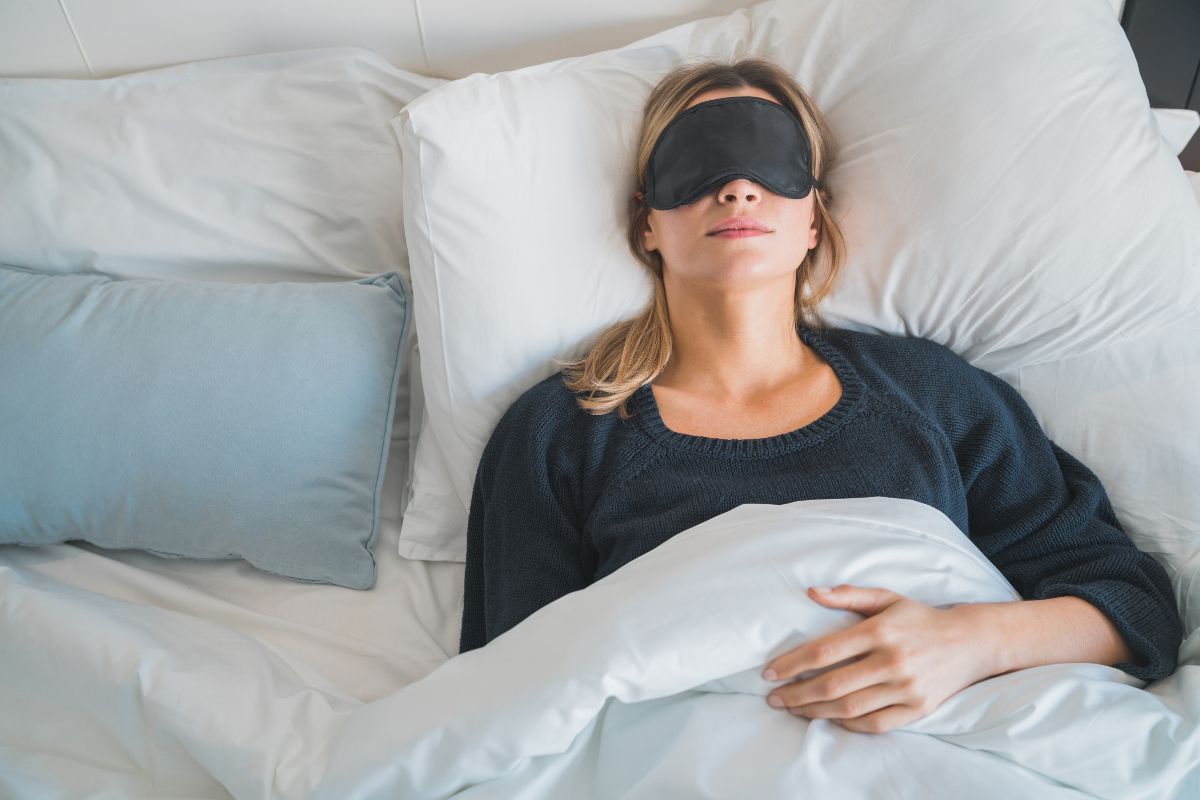
Why are more people using sleep support supplements?
Work pressure, prolonged screen exposure at night, chronic stress, and disrupted circadian rhythms are common causes of sleep disturbances. When these factors persist, the body may struggle to restore its natural sleep cycle.
In this context, sleep support supplements are often seen as a convenient and gentler alternative to sleeping pills. Products containing glycine and L-theanine, for example, may help calm the mind and create favorable conditions for deeper sleep.
That said, proper usage is crucial to avoid psychological reliance.

Do sleep support supplements cause dependency?
This is one of the most frequently asked questions. When used correctly and at recommended dosages, sleep support supplements generally do not cause physiological dependence in the way sedative medications can. However, psychological dependence may develop if users believe they cannot sleep without them.
It is important to view these products as supportive tools rather than permanent solutions. If insomnia is caused by chronic anxiety, prolonged stress, or underlying medical conditions, supplements alone will not address the root cause.
Instead of focusing solely on the risk of dependency, users should prioritize building healthy sleep habits alongside supplementation.

How to use sleep support supplements effectively?
To achieve optimal results, pay attention to three key factors: timing, dosage, and consistency.
Sleep support supplements are typically taken 30 to 60 minutes before bedtime, depending on product instructions. This allows sufficient time for the body to absorb the active ingredients and initiate relaxation.
Dosage should follow the manufacturer’s guidelines or professional advice. Increasing the amount without guidance may lead to morning grogginess or disrupt natural sleep rhythms.
Effectiveness improves when supplementation is combined with healthy sleep hygiene practices, such as limiting blue light exposure at night, avoiding caffeine in the evening, and maintaining a consistent sleep schedule.
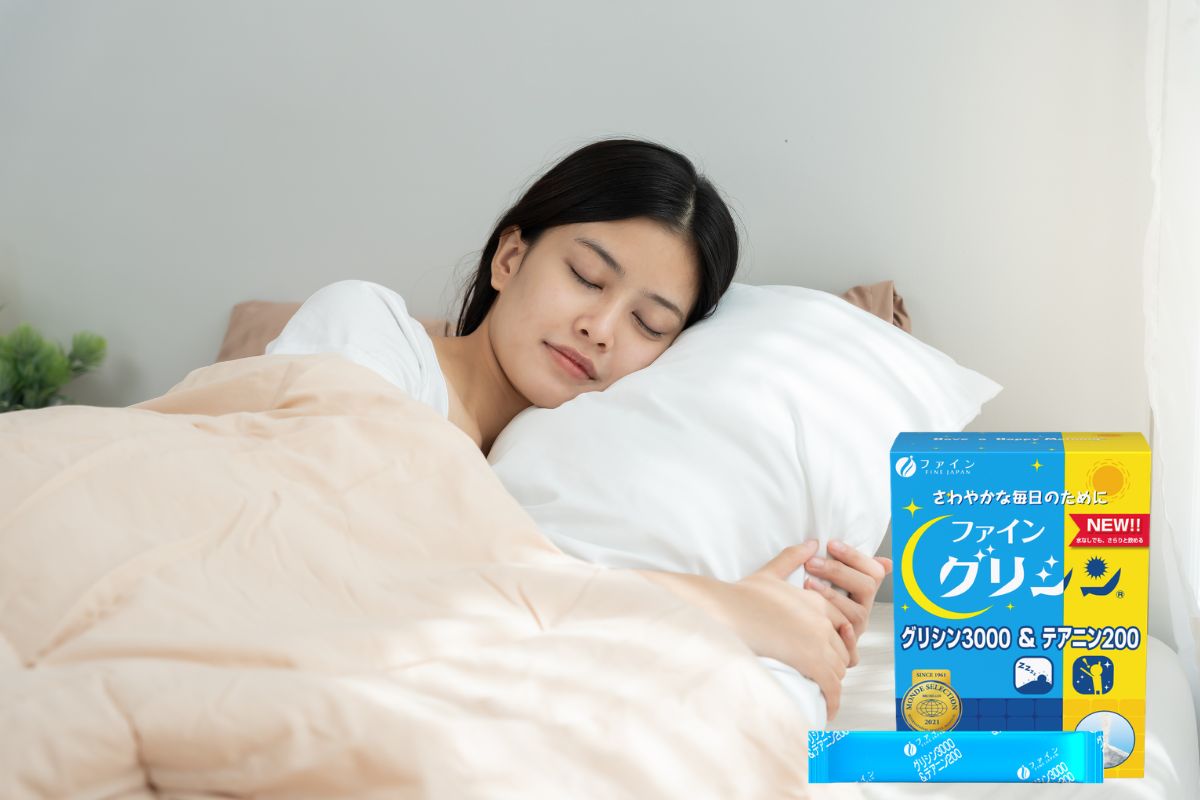
When selecting a product, choose one with clearly labeled ingredients and transparent sourcing. For example, Glycine & Theanine by Tomita Pharma combines two well-known relaxation-supporting compounds that help improve sleep quality when used consistently and as directed.
When should you consider sleep support supplements?
Sleep support supplements may be appropriate for individuals experiencing temporary sleep difficulties due to stress, jet lag, or short-term lifestyle changes. They can serve as a short-term aid to help restore a stable sleep pattern.
However, if insomnia persists for several weeks and is accompanied by daytime fatigue, reduced concentration, or mood changes, seeking professional medical advice is recommended. Identifying the underlying cause ensures that the chosen intervention is appropriate and effective.
Sleep support supplements can be a helpful option for improving sleep quality, particularly when sleep disturbances are related to stress or disrupted circadian rhythms. However, they are not a universal solution for every case of insomnia.
To avoid psychological reliance and achieve sustainable benefits, supplementation should be combined with healthy lifestyle habits. When used responsibly, sleep support supplements can serve as supportive tools in restoring natural and restful sleep.