

 Vietnamese
  日本語
日本語  English
 Many pet parents invest in premium cat beds, only to watch their cats settle into an old cardboard box instead. This seemingly puzzling habit is actually rooted in instinct, comfort, and emotional security. The article below explains why cardboard boxes have such an irresistible appeal, what changes may signal health issues, and how to help your cat rest in a cleaner and more comfortable space.
Cardboard boxes satisfy natural safety instincts
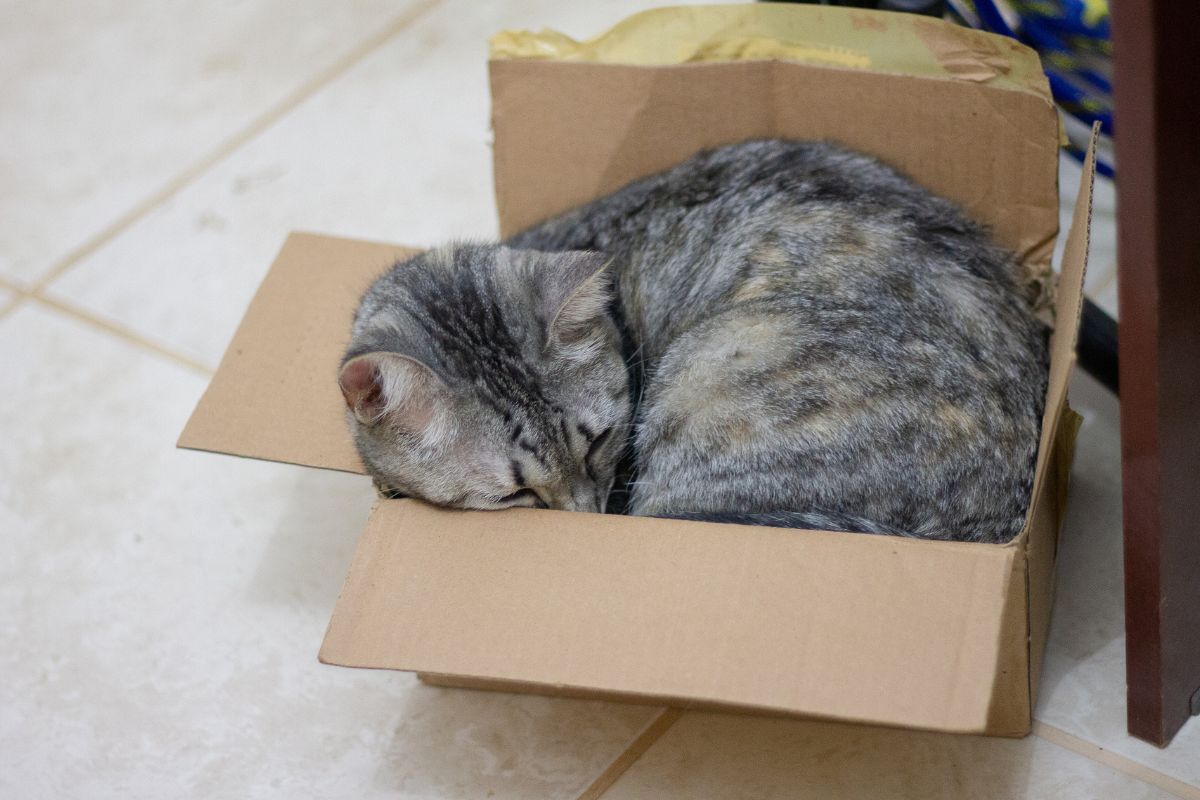
Cats are drawn to enclosed spaces — places where they can observe without being exposed. A cardboard box acts like a small den, helping cats reduce stress when faced with noise, unfamiliar visitors, or environmental changes. For newly adopted or sensitive cats, having a box as a temporary “safe zone” allows them to settle in faster and feel more secure.
Cardboard provides warmth and physical comfort
Cardboard offers natural insulation, helping cats stay warm when curled up inside. This is especially helpful for senior cats or those sensitive to cold, as stable warmth supports deep sleep and reduces stiffness during chilly weather. Many cat beds are designed with airflow in mind, while a cardboard box creates a smaller, contained space that traps warmth more effectively.
Familiar scents create emotional comfort
Cats rely heavily on scent when choosing where to rest. A cardboard box quickly absorbs the cat’s natural scent and the home’s ambient smell, creating a familiar environment within a short time. When a cat rubs its head or body on the box, pheromones reinforce the feeling of “this is my territory.” In contrast, a new bed often carries unfamiliar smells and may take longer for the cat to accept.
Boxes fulfill play and exploration instincts
A cardboard box isn’t just for sleeping — it’s an all-in-one enrichment item. Cats can hide, scratch, explore, and “ambush” toys from inside. The soft texture allows scratching without loud noises, making cats feel secure. These mini hunting-like experiences make boxes far more stimulating than a soft, non-interactive bed.

When box-seeking might signal health concerns
Loving cardboard is normal. However, if a cat suddenly hides in a box more often, sleeps excessively, loses appetite, or becomes less active, it may be reacting to pain, stress, or underlying illness. Cats experiencing urinary issues, gastrointestinal discomfort, joint pain, or bullying from other cats may retreat to enclosed spaces for safety. When behavioral changes are paired with physical symptoms, it’s best to monitor closely and seek veterinary advice.
Keeping the resting environment clean and comfortable
Even if your cat prefers cardboard, you should replace boxes regularly to prevent mold — a common cause of skin fungus, odors, and irritation. Place the box in a quiet, draft-free corner. Adding a soft blanket with familiar scents can help increase comfort. For cat beds, move them to more private areas or near spots your cat already enjoys to encourage use.
A clean, low-odor environment helps cats relax. You can use light-scented deodorizing products such as Shoshuriki (fruit fragrance) to keep the room fresh, especially near spots where your cat sleeps or plays.

Encouraging your cat to use the bed naturally
If you want your cat to use its bed more often, you can:
- Place the bed in a more enclosed, private location.
- Add a shirt or blanket with your scent or the cat’s scent to reduce unfamiliar odors.
- Put treats or toys on the bed to build positive associations.
Forcing a cat to use the bed usually has the opposite effect. Cats always choose based on safety and comfort, so the transition needs to happen gradually.
Setting up resting spots in multi-cat homes
If you have multiple cats, providing several resting locations helps prevent competition and stress. A simple guideline is number of resting spots = number of cats + 1. Each cat needs a personal space to feel secure. Both boxes and beds should be placed at different heights or corners to reduce conflict.

Observing sleep habits to detect early health issues
A cat’s resting pattern reveals much about its health. Cats that suddenly sleep more, switch resting spots constantly, or only hide in enclosed areas may be signaling discomfort. In senior cats, abrupt changes can indicate joint pain, balance issues, or neurological problems. Monitoring your cat daily helps you catch subtle changes early.
Should you get rid of the fancy bed?
There’s no need to remove the bed. Boxes and beds fulfill different needs: boxes offer security and enclosure, while beds provide softness and long-term support. Keeping both gives your cat the freedom to choose based on mood, weather, and physical comfort.
Cats don’t prefer cardboard boxes because they “reject” fancy beds — they choose boxes because they offer warmth, security, instinctive satisfaction, and playful stimulation. Understanding this behavior helps you create a safer, cleaner, and emotionally supportive environment that benefits your cat’s overall well-being.