

 Vietnamese
  日本語
日本語  English
 Many dog owners often wonder why their dogs frequently scratch or paw at the door—whether it’s when you leave home or simply move to another room. This habit may look mischievous, but behind it are emotional needs, environmental triggers or signals your dog is trying to communicate. Understanding these reasons helps you support both their mental well-being and overall health.
Understanding why dogs scratch the door
Scratching the door is a way dogs express needs or discomfort. Instead of barking or whining, some dogs use their paws to communicate stress, anxiety, excitement or curiosity. Although this behavior is common, it shouldn’t be ignored because it can reflect deeper emotional or physical issues.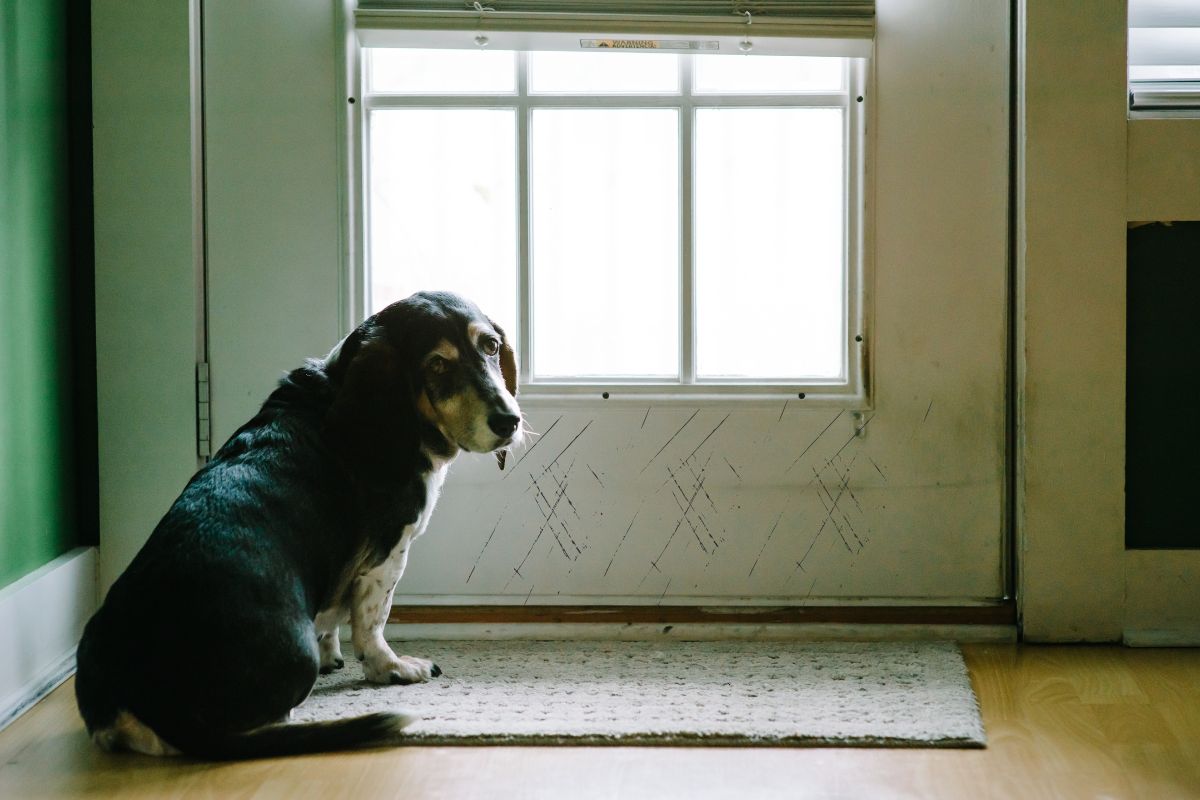
Separation anxiety – the most common cause
One of the most frequent reasons dogs scratch the door is separation anxiety. When a dog becomes overly attached to their owner, even a short separation can cause stress.
Dogs with separation anxiety often show:
- Restlessness when you prepare to leave
- Following you closely from room to room
- Barking, whining or destructive scratching
This isn’t “bad behavior” but a sign your dog feels insecure. Building independent habits and adjusting routines can help reduce the intensity over time.

Attention-seeking behavior is formed from habit
Some dogs learn that scratching the door gets your attention—whether you come back, open the door, or speak to them. Over time, this becomes a habit.
If your dog scratches the door when you leave the room without showing stress signs, they may simply associate scratching = attention.
To address this, avoid reacting immediately and redirect their focus to chew toys or calming activities.
Boredom and lack of stimulation
Dogs with excess energy or insufficient stimulation may scratch objects, including doors, to release tension.
Common signs of boredom include:
- Scratching or chewing furniture
- Running aimlessly
- Barking for no clear reason
- Seeking attention excessively
Increasing daily exercise, scent games or training sessions helps reduce this behavior and supports mental balance.
Territorial instincts and curiosity
Dogs are naturally alert. When they hear sounds, smell unusual scents or sense movement behind a door, they may scratch to investigate or protect their space.
This is especially common in breeds with strong guarding instincts. While often harmless, it can become excessive if the environment overstimulates them.
Discomfort, physical needs or routine changes
Scratching the door may also indicate your dog is trying to communicate specific needs:
- They need to go outside
- They feel too hot or too cold
- They are hungry, thirsty or restless
- They experience discomfort, digestive imbalance or unexplained anxiety
If the habit starts suddenly, physical discomfort may be a contributing factor.

When door-scratching may relate to health issues
Dogs that feel unwell often show unusual behaviors like scratching surfaces, pacing or seeking attention.
Digestive discomfort—such as bloating or irregular stools—can make a dog restless or clingy.
At this point, adjusting diet quality or supporting digestive health may help. You can refer to Vet’s Selection Digestive Care for Dog from the Animal Health Care category at Tomita Pharma. This balanced formula supports gut comfort and helps maintain stable digestion when used alongside a healthy routine. If your dog shows persistent changes like vomiting, diarrhea, or anxiety, consider a veterinary check.
How to help your dog reduce door-scratching behavior
Some practical ways to manage the behavior include:
- Practice short separations: Leave for a few seconds and return calmly, helping your dog adjust gradually.
- Encourage independent play: Create a resting area and offer puzzle toys or chew treats to keep them occupied.
- Ensure daily exercise: Adequate movement helps relieve energy and reduce destructive habits.
- Limit overstimulation: Soft music or closing curtains may help reduce environmental triggers.
- Avoid reinforcing the behavior: Instead of opening the door immediately, wait until your dog is calm.

Scratching the door isn’t just a bad habit—it’s a signal. Your dog may be anxious, bored, curious, or uncomfortable. By understanding these underlying reasons, you can create a safer, more stable environment that improves both emotional and physical health. When their needs are met properly, the scratching behavior decreases naturally, and the bond between you and your dog becomes stronger.