

 Vietnamese
  日本語
日本語  English
 Cats urinating or defecating outside the litter box is a frustrating issue for many pet owners. It often leads to the assumption that the cat is being disobedient, poorly trained, or intentionally messy. In reality, this behavior is rarely a matter of bad habits. In most cases, inappropriate elimination is a warning sign that your cat is experiencing physical discomfort or emotional stress and is quietly “crying for help.”
So how can you tell whether this is a behavioral issue or a health-related problem? The following article will help you understand the underlying causes and how to respond appropriately when your cat stops using the litter box.
Is inappropriate elimination really bad behavior?
By nature, cats are clean animals. They instinctively prefer to bury their waste after using the litter box. Therefore, cats urinating or defecating outside the litter box is not normal behavior. When this habit appears suddenly or persists over time, it usually indicates that something is wrong.
Many owners instinctively scold or punish their cats after finding urine or feces in unwanted places. Unfortunately, punishment does not solve the problem. Instead, it increases anxiety and stress, often making the behavior more frequent and severe.

Common reasons why cats stop using the litter box
An unsuitable litter box setup
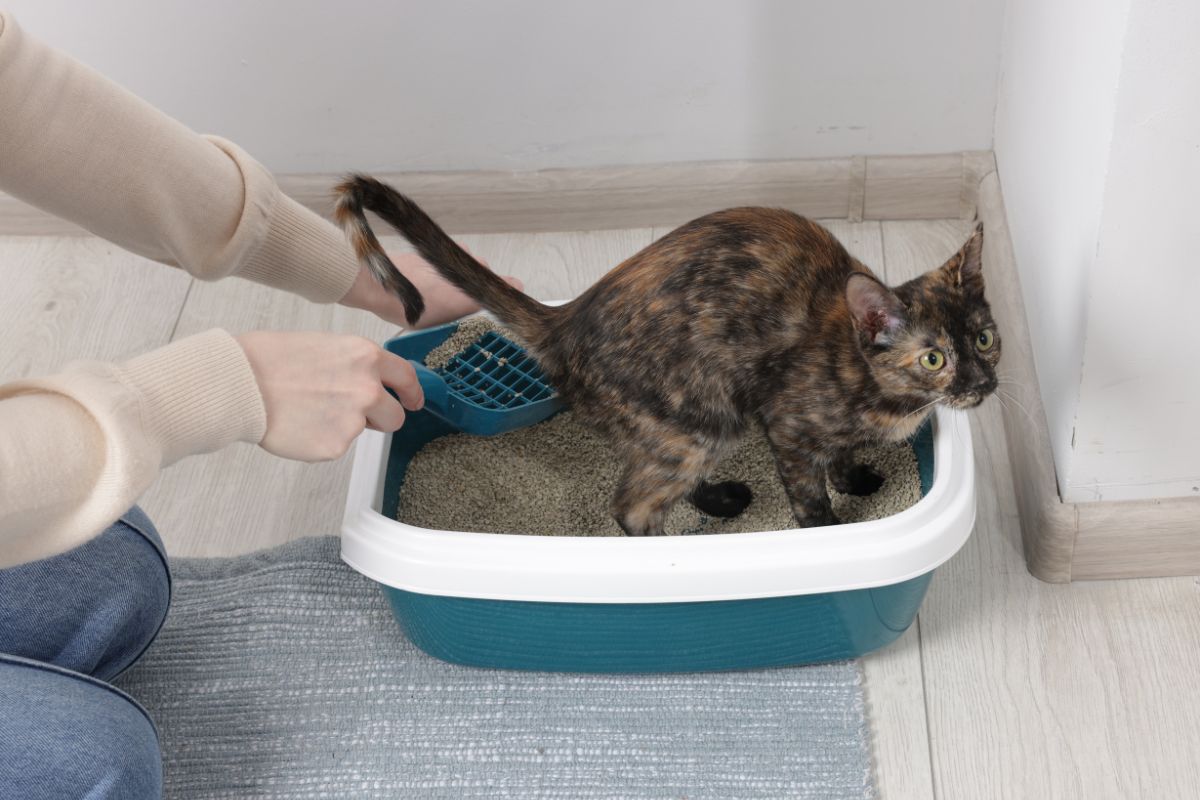
A dirty litter box, strong odors, or a location that is noisy or frequently disturbed can cause cats to avoid using it. Additionally, changing to a new type of litter with a different texture or scent may make cats uncomfortable, leading them to seek alternative places to relieve themselves.
Stress and environmental changes
Cats are highly sensitive to changes in their surroundings. Moving to a new home, introducing another pet, changes in the owner’s routine, or even rearranging furniture can trigger stress. When stressed, cats may urinate outside the litter box as a way to mark territory or cope with emotional discomfort.
Urinary tract and kidney health issues
One of the most serious reasons behind inappropriate elimination is urinary tract disease, including cystitis, urinary stones, or infections. Pain, frequent urination, or difficulty urinating can prevent cats from reaching the litter box in time. Some cats may also associate the litter box with pain and begin avoiding it altogether.
In particular, cats with chronic kidney disease often urinate more frequently in small amounts, increasing the likelihood of accidents if proper care is not provided.
An imbalanced diet
A diet that is too salty, lacks sufficient moisture, or is nutritionally unbalanced can place excessive strain on a cat’s urinary system. Over time, this increases the risk of bladder and kidney problems, which may lead to loss of litter box habits.
How to address inappropriate elimination effectively
First and foremost, stay calm and carefully observe your cat’s behavior. Pay attention to how often accidents occur, where they happen, and whether there are any accompanying symptoms. If inappropriate elimination is combined with signs such as lethargy, straining to urinate, unusually strong-smelling urine, or blood in the urine, a veterinary visit is essential to rule out medical causes.
If no medical issues are found, reassess the litter box setup. Make sure the box is cleaned regularly, placed in a quiet and accessible area, and uses litter that your cat is comfortable with. Maintaining a stable daily routine and minimizing sudden environmental changes can also help reduce stress.
Nutrition also plays a crucial role in supporting urinary and kidney health. In some cases, specialized diets designed to support kidney function may be beneficial as part of long-term care. For example, complete and balanced formulas developed specifically for renal support, such as Vet’s Selection Cat Kidney Care, can help maintain kidney health and reduce the risk of urinary complications in adult and senior cats.
When should you take your cat to the veterinarian?
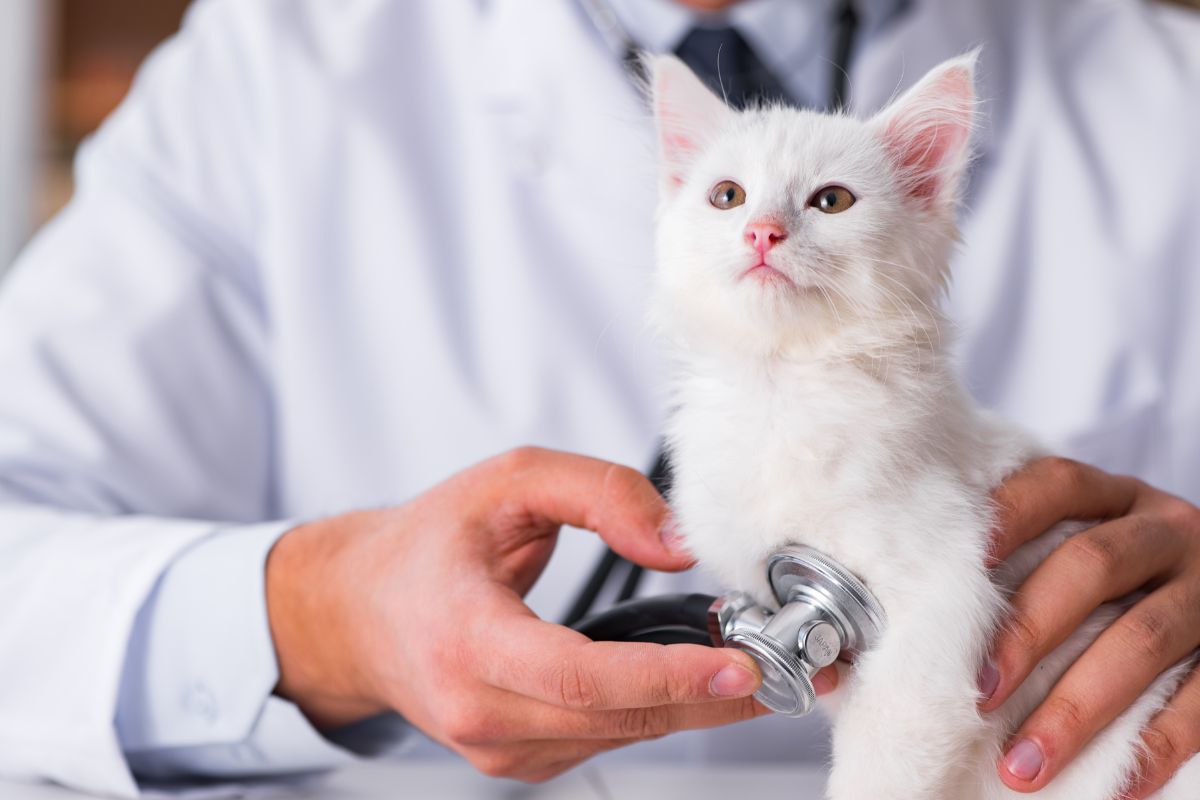
If your cat continues to urinate or defecate outside the litter box for more than three to five days, or if the behavior recurs frequently despite no obvious environmental changes, veterinary consultation should not be delayed. Warning signs such as loss of appetite, weight loss, increased water intake, or noticeable changes in urination may indicate early stages of kidney or urinary disease—conditions that are especially common in indoor cats.
Early diagnosis and timely intervention can significantly improve your cat’s quality of life while reducing long-term treatment costs.
Cats urinating or defecating outside the litter box is rarely just a bad habit. More often, it is a signal of underlying stress or health issues that require attention. Rather than resorting to punishment, owners should observe, identify the root cause, and adjust both the living environment and care routine accordingly.
A healthy, stress-free cat whose needs are properly met will naturally maintain good litter box habits. Understanding your cat’s behavior is the first step toward becoming a responsible and compassionate pet owner.