

 Vietnamese
  日本語
日本語  English
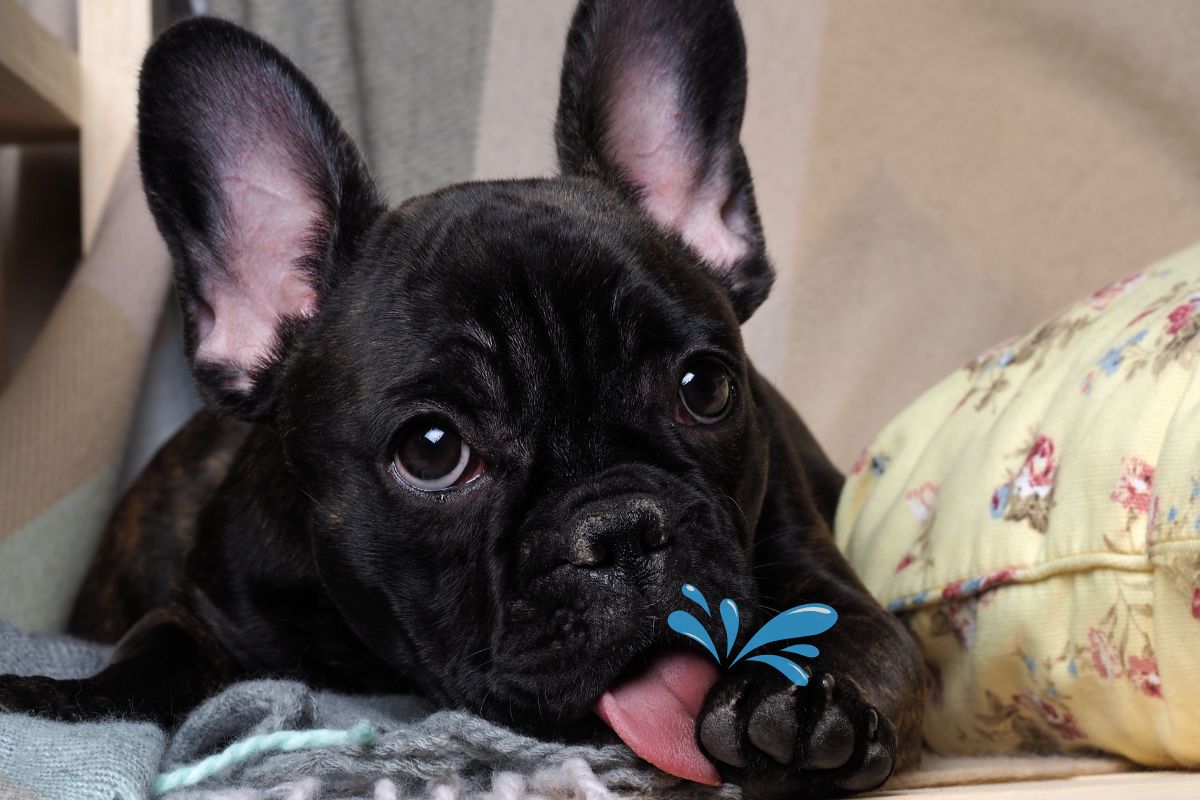
 Occasional paw licking is a normal behavior in dogs, often associated with self-grooming or mild self-soothing. However, when a dog licks its paws constantly and repeatedly over many days, especially if accompanied by redness, hair loss, or skin irritation, this behavior may no longer be harmless. So is constant paw licking a sign of stress, or does it indicate an underlying health problem? Understanding the real cause helps pet owners respond appropriately and prevent the condition from worsening.
Is it abnormal for dogs to constantly lick their paws?
Paw licking is part of a dog’s natural self-care behavior. Dogs may lick their paws to clean off dirt after outdoor activities or simply as an instinctive action. However, constant paw licking is considered abnormal when it occurs many times a day, lasts for weeks, and the dog seems unable to stop.
In the early stage, this behavior may reflect mild discomfort. Over time, persistent licking keeps the skin moist, increasing the risk of inflammation and infection. This creates a vicious cycle: the more the dog licks, the itchier the skin becomes, leading to even more licking.
Constant paw licking caused by psychological stress
Stress is a commonly overlooked cause of excessive paw licking in dogs. In reality, dogs are highly sensitive to their environment and emotional changes.
When feeling anxious, bored, or emotionally distressed, dogs often repeat familiar behaviors to comfort themselves. Paw licking helps release endorphins that temporarily ease discomfort. If stress persists, however, this behavior can develop into a compulsive habit.
Common sources of stress in dogs include changes in living environment, lack of interaction due to busy owners, prolonged confinement in small spaces, or insufficient physical activity. In these cases, the paw skin may initially appear normal, but licking behavior gradually intensifies over time.

Constant paw licking caused by common medical conditions
Besides stress, medical issues are a more frequent cause of continuous paw licking. Identifying health-related causes early helps prevent improper treatment.
Skin inflammation and allergies
Food allergies, environmental allergens, or exposure to harsh cleaning chemicals can all cause itching around the paws. Dogs with allergies often lick their paws intensely, accompanied by redness, mild swelling, or hair loss between the toes.
Fungal, bacterial, or parasitic infections
Excessive moisture from repeated licking creates an ideal environment for bacteria and fungi to thrive. In these cases, the paws may develop an unpleasant odor, darker skin pigmentation, or discharge. Early intervention is essential to prevent chronic skin infections.
Joint pain or minor injuries
In senior dogs or highly active dogs, joint pain or minor injuries may cause discomfort that leads to repeated paw licking as a way to relieve pain. This condition is often associated with stiffness, reluctance to move, or changes in walking posture.

How to tell if paw licking is caused by stress or illness
Distinguishing between psychological and medical causes is not always straightforward, but certain signs can help.
If the dog mainly licks its paws when alone, improves when engaged in play, and shows minimal skin damage, stress is likely the main factor. On the other hand, visible redness, foul odor, hair loss, or pain upon touch strongly suggests an underlying medical condition.
In some cases, stress and illness may coexist, making the paw-licking behavior more persistent and complex.
Caring for a dog that constantly licks its paws
Rather than simply trying to stop the licking behavior, it is crucial to address the root cause.
First of all, keep your dog’s paws clean and dry, especially after going outdoors. Avoid leaving the spaces between the toes damp for long periods. If the skin on the paws has minor abrasions caused by licking, pet owners can use Hoscare Spray, a specialized wound-care and deodorizing spray from Japan, to cleanse the area and support skin recovery, thereby reducing the risk of secondary infections.

At the same time, reassess the dog’s daily routine. Increasing physical activity, mental stimulation, and interaction with the owner can significantly reduce stress levels. A balanced, easily digestible diet also plays an important role in strengthening immunity and supporting healthy skin and coat from within.
When should you take your dog to the veterinarian?
Veterinary consultation is recommended if constant paw licking lasts longer than a week without improvement, or if symptoms such as severe inflammation, discharge, foul odor, or obvious pain appear. Early diagnosis ensures appropriate treatment and helps prevent long-term complications.
Constant paw licking in dogs should not be dismissed as a bad habit. It may be a sign of stress or an underlying health issue that requires attention. Careful observation, proper daily care, and timely intervention can help your dog regain comfort and overall well-being. For pets, even subtle behavioral changes are meaningful signals—one of the few ways they communicate their physical and emotional state to their owners.