

 Vietnamese
  日本語
日本語  English
 Many people maintain a fairly moderate diet and do not eat large portions, yet still experience frequent bloating, abdominal fullness, and discomfort after meals. This condition not only affects daily comfort and quality of life but may also signal underlying digestive issues. So why does bloating occur even when food intake is minimal, and how can it be effectively improved?
Is bloating despite eating little a digestive problem?
Bloating and abdominal distension occur when excess gas accumulates in the digestive tract. In healthy individuals, this gas is usually expelled naturally through belching or passing gas. However, when bloating happens regularly despite small meals, it may indicate that the digestive system is not functioning optimally.
Many people consider bloating a minor issue, but in reality, persistent bloating can be associated with digestive dysfunction, an imbalance in gut microbiota, or underlying health conditions that should not be overlooked.

Causes of feeling bloated and uncomfortable even when eating little
Digestive disorders and lack of digestive enzymes
One of the most common causes is insufficient production of digestive enzymes. When food is not fully broken down, it tends to ferment in the intestines, producing gas and leading to bloating even after small meals.
This condition is often seen in older adults, people with a history of stomach problems, colitis, or those who have used antibiotics for extended periods.
Imbalance in gut microbiota
The gut microbiota plays a vital role in digestion and nutrient absorption. When beneficial bacteria decrease, and harmful bacteria dominate, digestion becomes less efficient, resulting in increased gas production in the intestines.
This explains why some people feel bloated, experience gurgling sounds, or abdominal discomfort even when consuming familiar foods in small amounts.
Unhealthy eating habits
Eating too quickly, chewing insufficiently, or talking while eating can cause excessive air swallowing. This trapped air accumulates in the stomach and intestines, leading to bloating and a feeling of fullness after meals.
Additionally, irregular eating schedules, late-night meals, or skipping meals can disrupt intestinal motility and negatively affect digestion.

Hard-to-digest foods or food intolerance
Certain foods, such as fried and greasy dishes, fermented foods, dairy products, or carbonated drinks, can cause bloating in individuals with sensitive digestive systems or lactose intolerance.
Even small portions of unsuitable foods can overburden digestion, leading to gas accumulation and discomfort.
Prolonged stress and psychological pressure
Stress is an often-overlooked cause of bloating. Chronic stress affects the gut–brain axis, slowing digestion and increasing gas production in the digestive tract.
People who experience frequent anxiety or work-related pressure may notice that their abdomen feels heavy and uncomfortable despite eating very little.
Underlying digestive conditions
Persistent bloating may be associated with irritable bowel syndrome, gastritis, colitis, or dysfunction of the liver and gallbladder. In these cases, bloating may last throughout the day and be accompanied by dull abdominal pain or irregular bowel movements.
When is bloating a warning sign?
You should not ignore bloating if it is accompanied by severe abdominal pain, frequent nausea, unexplained weight loss, prolonged diarrhea, or constipation. These may be warning signs of digestive diseases that require early medical evaluation to prevent complications.
How to improve bloating when eating little
To reduce bloating, it is essential to adjust both diet and lifestyle. Eating slowly, chewing thoroughly, limiting greasy foods and carbonated beverages, and maintaining regular meal times can significantly help. Light physical activity after meals also supports better digestion.
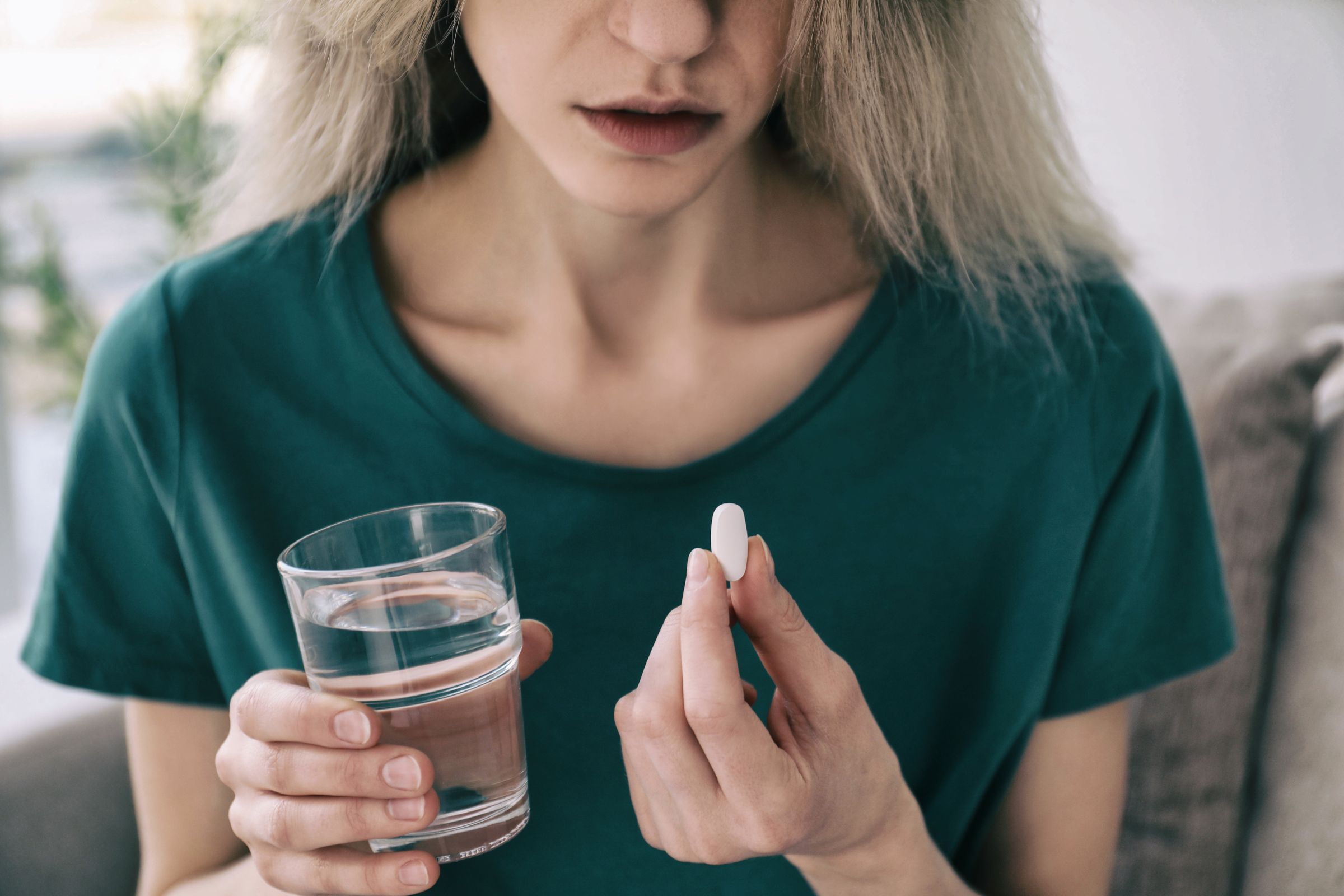
In addition, supporting digestive health with supplements containing digestive enzymes and probiotics may help rebalance gut microbiota, reduce gas production, and improve nutrient absorption. Certain digestive health products containing BB536 are often chosen by individuals who frequently experience bloating and discomfort despite consuming small amounts of food, especially for daily digestive care.

Eating little but still feeling bloated and uncomfortable is a common issue in modern life, particularly among individuals with sensitive digestion or irregular lifestyles. Understanding the causes, listening to your body, and taking proper care of your digestive system can greatly reduce bloating and restore a lighter, more comfortable feeling day by day.