

 Vietnamese
  日本語
日本語  English
 Cats naturally drink less than dogs, and some even “forget” to drink when fed mostly dry food. That raises risks of urinary issues, stones, and constipation. So, for cats that drink too little, should you use a water fountain or a regular bowl to encourage intake? This article compares both options across health, behavior, hygiene, and cost, with setup tips to help your cat drink more each day.
Why cats drink little and how it affects them
House cats still carry a “desert ancestor” bias: a high thirst threshold and low motivation to seek water. With dry food, total water intake drops further. Low intake concentrates urine, makes litter-box trips strained, and can irritate the bladder; over time it increases FLUTD and stone risk. The goal isn’t just “having water available” but making the drinking point appealing so cats return to it naturally, multiple times a day.
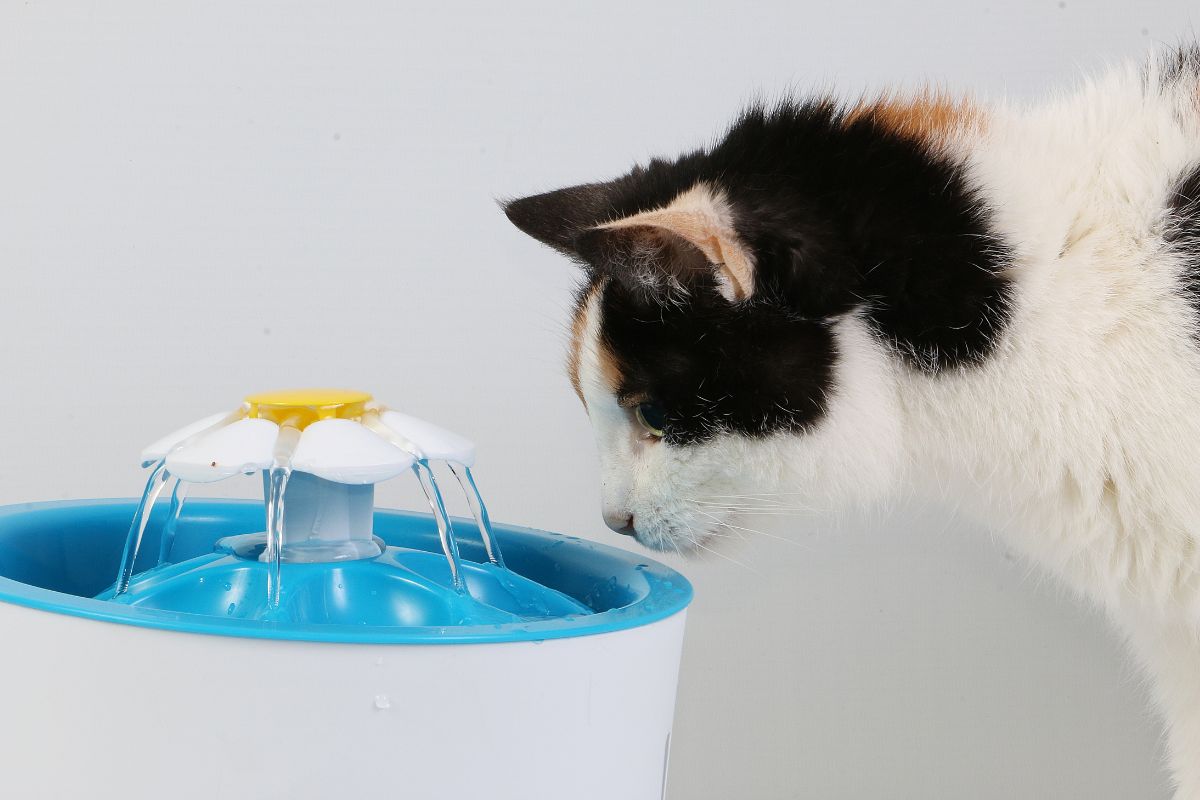
Water fountains: flowing water triggers the urge to drink
Moving or trickling water sparks curiosity and feels like “fresh” water, so many cats drink more. Models with carbon filters (varies by unit) reduce chlorine odor and debris; a wide, shallow surface also helps prevent whisker stress (whiskers pressing against bowl walls).
Hygiene needs attention. A fountain requires regular scrubbing (2–3 times/week, depending on the environment), timely filter changes, and biofilm removal around the pump. Choose safe materials (ceramic, stainless steel, high-grade plastics), a quiet, low-vibration pump, and a 1.5–2 L capacity for 1–2 cats over 1–2 days. Place it in a quiet spot, away from the litter box and food; route cables neatly and out of chewing range. Upfront costs are higher than bowls, but many households see a clear increase in drinking frequency with water-shy cats.
Best when: you have a reluctant drinker, live in a closed apartment (stagnant water picks up odors), or are out for long hours.
Regular bowls: simple and affordable—if used “the right way”
A regular bowl is easy to buy, inexpensive, and quick to wash. Effectiveness, however, depends on setup. Choose a shallow, wide bowl to avoid whisker stress; ceramic or stainless steel helps reduce plastic odors. Provide multiple water stations (at least 2–3 in an average apartment), keep them away from the litter box, and don’t place every bowl next to the food if your cat is picky. Change water daily (twice a day in hot weather) and lightly scrub to prevent biofilm.
Bowls work well for cats that already drink reasonably and prefer a calm, still surface. For very odor-sensitive cats—or those who only like freshly poured water—a static bowl might not be enticing enough to raise intake.
Best when: you want a minimal, low-budget solution and can distribute bowls along your cat’s usual routes.

Comparing health, behavior, hygiene, and cost
For behavior, fountains often outperform bowls thanks to motion and the “fresh water” feel; bowls rely more on placement, quantity, and cleanliness. For hygiene, fountains have filtration support but require thorough cleaning of the pump module; bowls are fast to wash but demand frequent water changes to avoid odors. For comfort, both can be whisker-friendly if wide and shallow; “sheet-flow” fountain designs are often gentler than deep, high-walled bowls. For cost, fountains add upfront expense, electricity, and filter replacements; bowls are cheap but require disciplined water changes. Measured as cost per improvement in drinking, a fountain is often worth it when starting with a reluctant drinker.
Set up tips to help your cat drink more every day
Plan around your cat’s daily “journey”: sleep area – play area – litter box – feeding area. Water should be in neutral zones with no strong smells and little foot traffic. With a fountain, test two locations and observe for 3–5 days to pick the best-performing spot. With bowls, place 2–3 bowls in different rooms rather than clustering them by the food. Keep water about three-quarters full so your cat doesn’t have to push whiskers against the rim. In hot weather, a small, odor-free ice cube can help if your cat enjoys cool water; if they dislike cold, skip it.

Diet matters, too. Increase wet food/pâté or gradually hydrate dry kibble so your cat accepts the new texture. A short play session before meals promotes physiologic thirst, nudging cats to seek water on their own. When you align placement, equipment, and diet, daily water intake typically improves.
Choosing based on real-world context
For very reluctant drinkers or cats with past signs of straining or small, frequent urinations, a quiet-flow fountain with easy-to-clean materials often delivers faster results; also raise dietary moisture in parallel. In multi-cat homes, combine one central fountain with one or two bowls in “personal” spots to prevent crowding and conflict. If you’re on a tight budget but still want progress, start with a shallow, wide ceramic or stainless bowl and place several stations; if results are limited, upgrade by adding a fountain. For sound-sensitive cats, pick an ultra-quiet pump (<35 dB), place it on an anti-vibration pad, and avoid echo-prone corners.
If your cat has had urinary issues or you’re pairing “more water + supportive diet,” consider Vet’s Selection pH Care Plus Stage for Cat - a formula that helps maintain healthy urine pH when combined with consistent hydration and proper litter-box hygiene. See the Pet health care section on Tomita Pharma for details.

For reluctant drinkers, fountains often make the biggest difference thanks to flowing water and a “fresh” feel. Bowls still work if they’re placed correctly, provided in adequate numbers, and kept scrupulously clean. Whatever you choose, prioritize whisker-friendly comfort, quiet locations, and clean water, and raise dietary moisture. When your cat drinks steadily each day, the litter box becomes easier to manage—and you’re actively protecting your cat’s urinary health over the long term.