

 Vietnamese
  日本語
日本語  English
 Many pet owners often compare dogs and cats: dogs are cheerful, while cats seem “cold” even toward their owners. That comparison isn’t entirely wrong on the surface – cats rarely rush to the door, wag their tails, or jump onto you. Yet behind that seemingly indifferent demeanor lies a completely different body language system. This article helps you understand why cats appear distant from their owners, how it differs from the open friendliness of dogs, and how proper care can strengthen your bond with your feline friend.
Cats seem cold, dogs seem friendly – a difference rooted in instinct and evolution
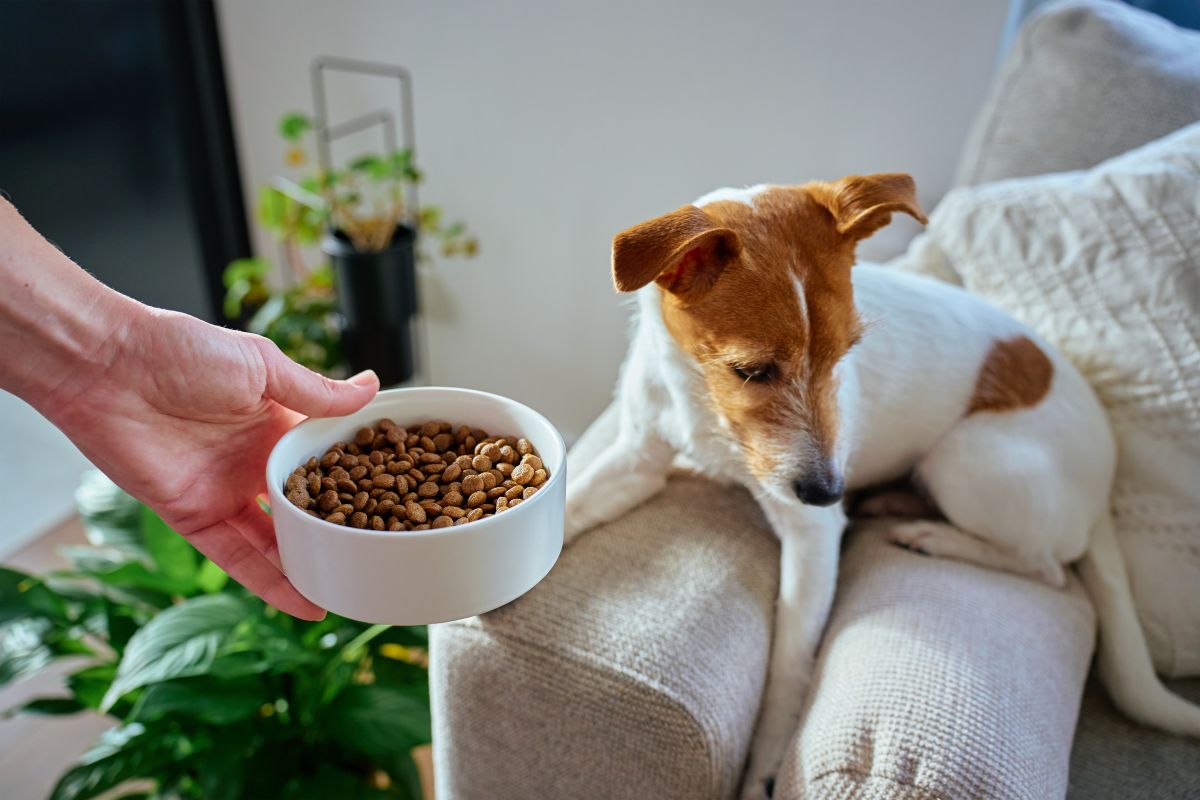
Dogs are pack animals that evolved alongside humans to cooperate and seek reward. That’s why they express emotions openly: wagging tails, jumping up, licking hands, and barking excitedly when their owners return.
Cats have a very different domestication history. As solitary hunters that also risked becoming prey, cats developed a cautious instinct to “keep their cool” and maintain safe distance. Even when they deeply bond with you, they tend to remain calm, observant, and restrained in their gestures. This evolutionary trait often makes their demeanor look distant to human eyes.

Why cats appear cold even to their owners
First, cats view your home as their territory and you as a safe anchor within it. When you come home, they don’t need to make a fuss – everything is already under control.
Second, cats interact according to their own rhythm: timing, space, and touch intensity all matter. If you approach too quickly or hold them too tightly, they’ll retreat into silence.
Third, cats communicate through subtle cues – ear position, slow blinks, tail height, and movement patterns. These signals are easy to miss if you expect a “dog-like” welcome.
The “cold” language of cats is actually full of warmth
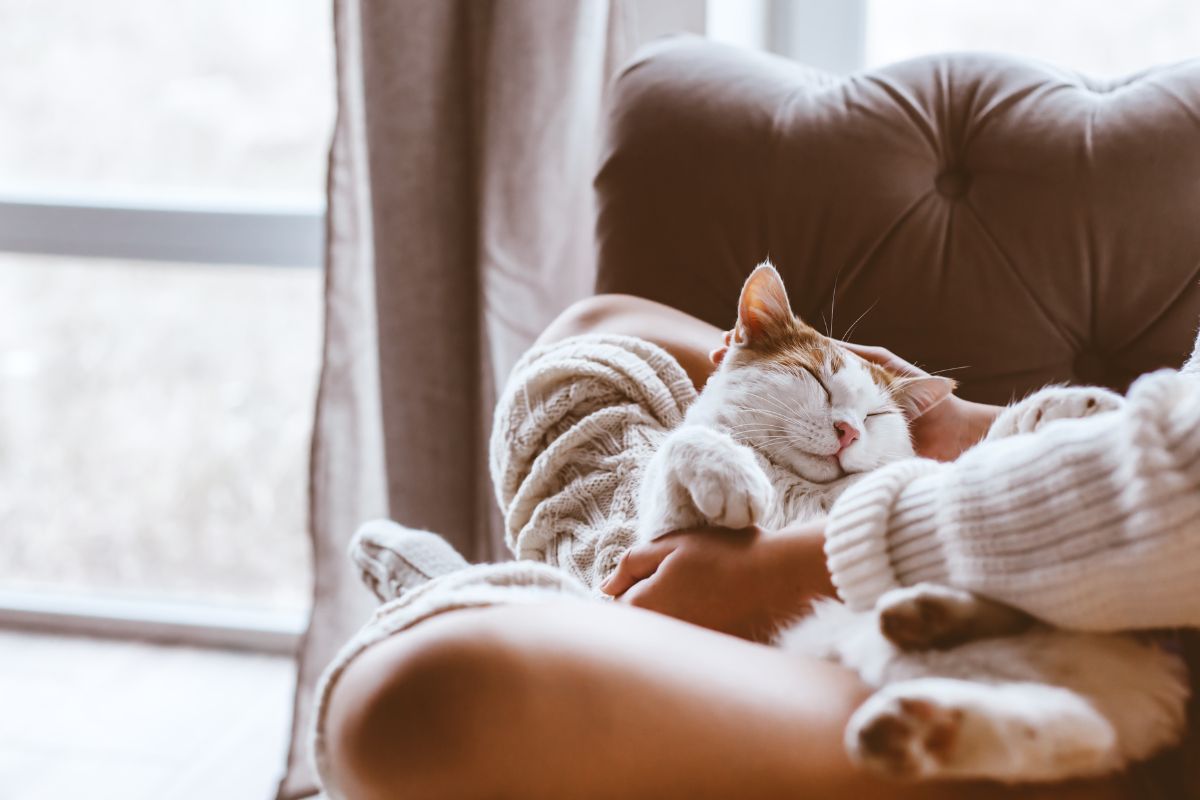
Unlike dogs, cats rarely show happiness through loud noises or exaggerated gestures. Yet they express affection daily in quiet ways: walking half a step behind you, lying near but turning their backs (a trust signal), blinking slowly, curling their tails like question marks, or rubbing their faces to mark you with their scent.
When a cat sits where you sit, changes positions to keep you in sight, or lies beside you while you rest, those are their “feline versions” of friendliness – subtle but sincere.
Don’t measure cats by a dog’s standard of affection
A dog’s friendliness is outward; a cat’s is inward. Dogs gain energy when greeting you; cats lower their energy to stay calm. If you judge cats by a dog’s standards – noise and excitement – they’ll always seem cold.
The right way is to change your perspective: observe their eyes, tail, distance, and how often they approach you first. When you learn their language, you’ll realize they’re not cold at all – just polite and reserved.
When “coldness” signals something unusual
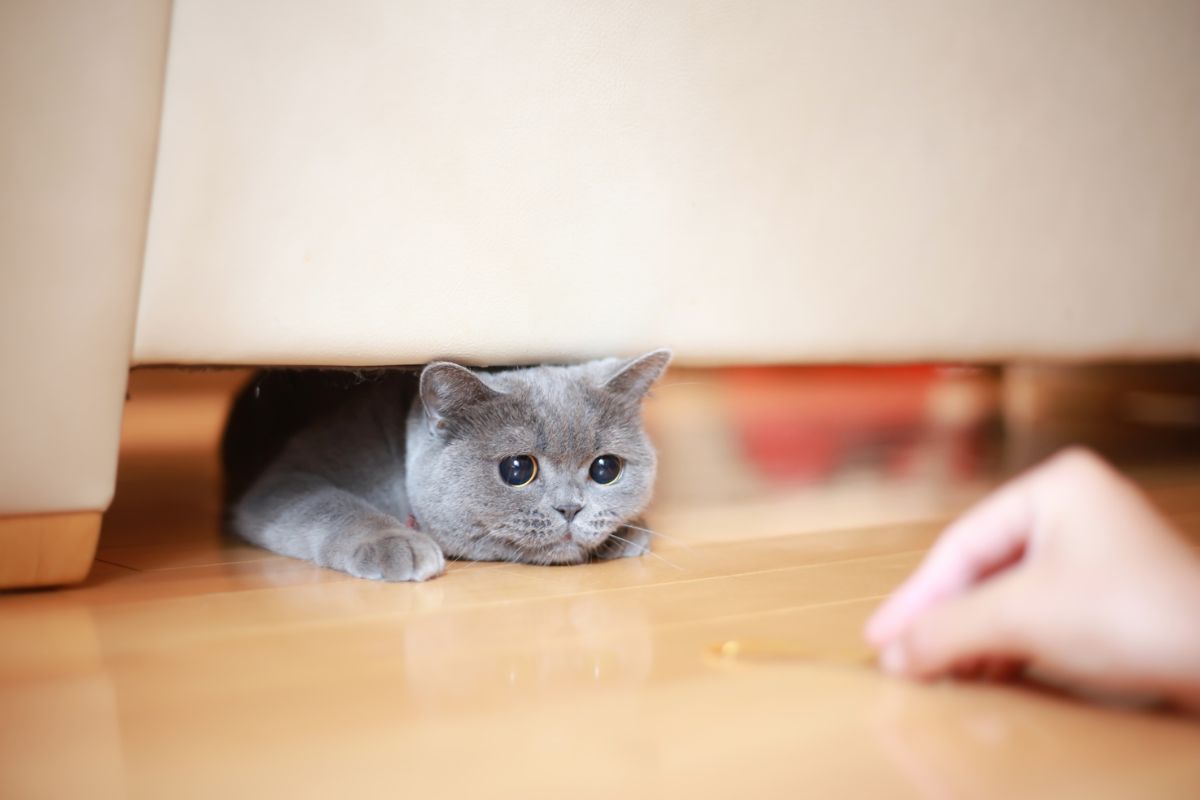
Consistency matters more than openness. If your cat suddenly changes behavior – hiding for days, eating less, grooming less, avoiding touch, meowing oddly, or peeing outside the litter box – it may be a sign of trouble. Environmental stress (moving houses, a new pet, loud noise), chronic pain (teeth, joints), digestive issues, or kidney disease can all make cats withdraw emotionally. In such cases, visit a veterinarian to rule out health causes before assuming it’s just their personality.
Caring for health – the key to melting the distance
A healthy cat is usually more relaxed and sociable. Besides regular checkups, focus on three pillars: balanced nutrition, a stress-free environment, and play sessions that mimic natural hunting behavior (chase – stalk – pounce – eat).
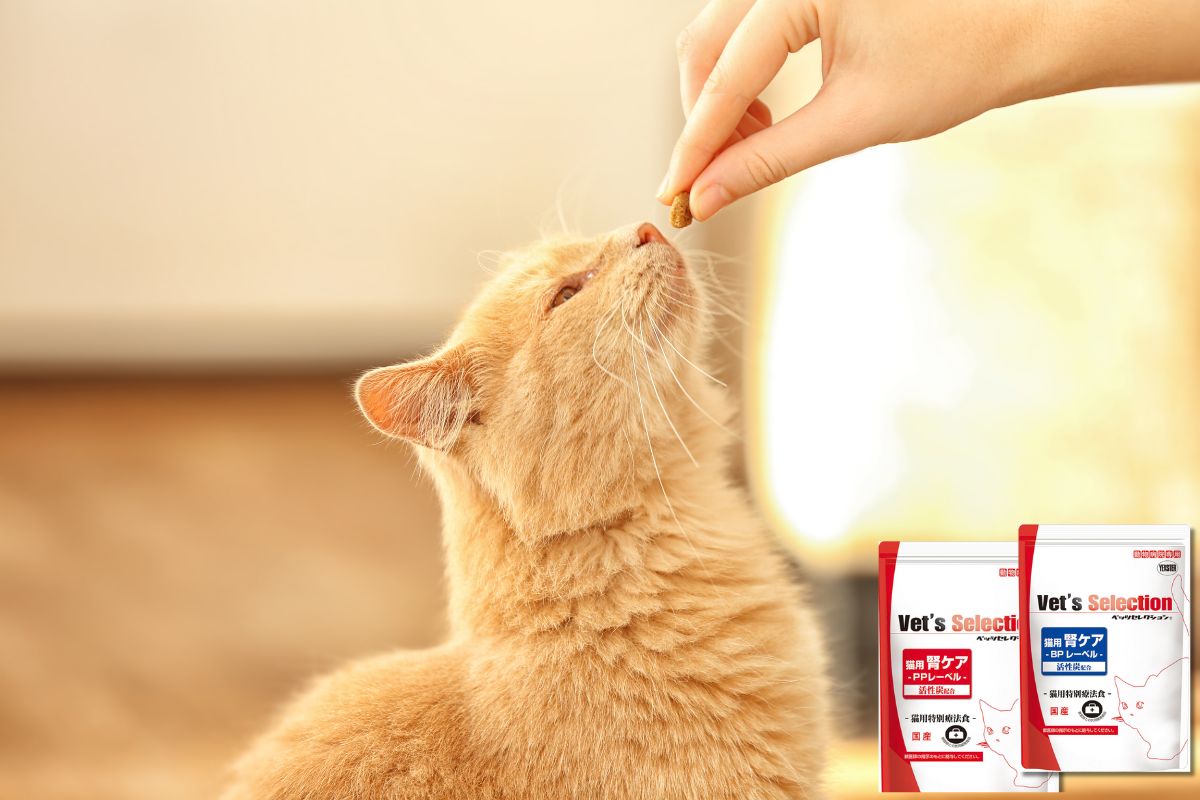
For nutrition, consider a complete and balanced food designed to support kidney health – a sensitive organ in adult cats. In Vietnam, Vet’s Selection Cat Kidney Care (PP/BP Label) is trusted by many cat owners for its balanced formula that promotes absorption and urinary health. Produced in Japan, it ensures both quality and reliable origin.
With proper nutrition, cats feel better physically and mentally, which helps them express affection more openly.
Cats’ apparent coldness doesn’t mean they’re unfeeling – it’s simply a different communication system shaped by evolution. When you shift your perspective from a dog’s expressiveness to a cat’s subtlety, those slow blinks, soft tail curves, and gentle head rubs become clear signs of love. Alongside regular vet care and proper nutrition, understanding and respecting your cat’s rhythm will make your bond warmer and stronger over time.
To connect with a cat, remember: understand gently, touch lightly, and respect their pace – that’s how “coldness” turns into affection.