

 Vietnamese
  日本語
日本語  English
 In the past, “having a pet” simply meant feeding and sheltering an animal. But today, many people treat their pets as real family members. The term pet parent was born from this shift in how humans love and care for animals. A pet parent isn’t just an “owner” — they’re a caregiver who provides love, attention, and responsibility just like a parent would for a child.
What is a pet parent?
A pet parent is someone who considers their pet a child, taking care of their health, emotions, and nutrition in a holistic way. For them, every meal, cuddle, or vet checkup is an act of love and responsibility.
This concept is not only common in Western countries but is also growing rapidly in Vietnam, where more young people view raising pets as a lifestyle choice and a way to express affection.

Why is the “pet parent” trend becoming popular?
Modern life makes people crave companionship and emotional connection. Pets, with their loyalty and unconditional love, have become essential emotional partners.
At the same time, the growth of social media and pet communities has helped the idea of “pet parenting” spread quickly. Videos of people feeding, grooming, and playing with their pets inspire others to see that raising a dog or cat isn’t just for fun — it’s a meaningful journey of care and affection.
When love goes beyond the “owner–pet” relationship
For true pet parents, taking care of a pet goes far beyond meeting basic needs. They learn to read their pets’ emotions — recognizing when they’re happy, anxious, or unwell. They study animal behavior, nutrition, and positive training methods.
Many even celebrate birthdays, take family photos, or travel with their pets. These actions reflect a humane lifestyle — one where people and animals live together with mutual respect and affection.

Health care – the greatest responsibility of a pet parent
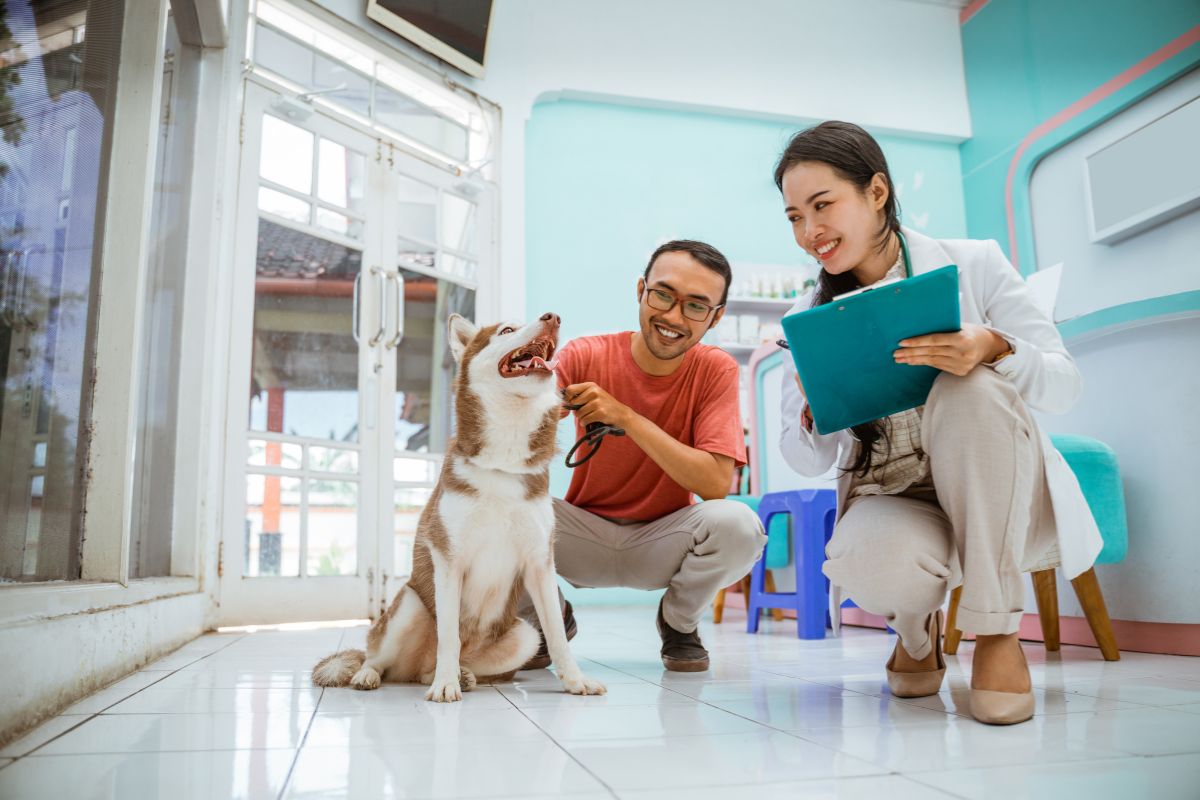
A true pet parent always prioritizes their pet’s health. They don’t wait until illness appears to visit the vet but instead schedule regular checkups, vaccinations, deworming, and monitor daily nutrition.
They also learn to notice small signs like loss of appetite, fatigue, vomiting, or behavioral changes — subtle signals that could point to health issues. Early detection and timely treatment help pets stay strong and live longer, happier lives.
Pet nutrition – the heart of responsible care
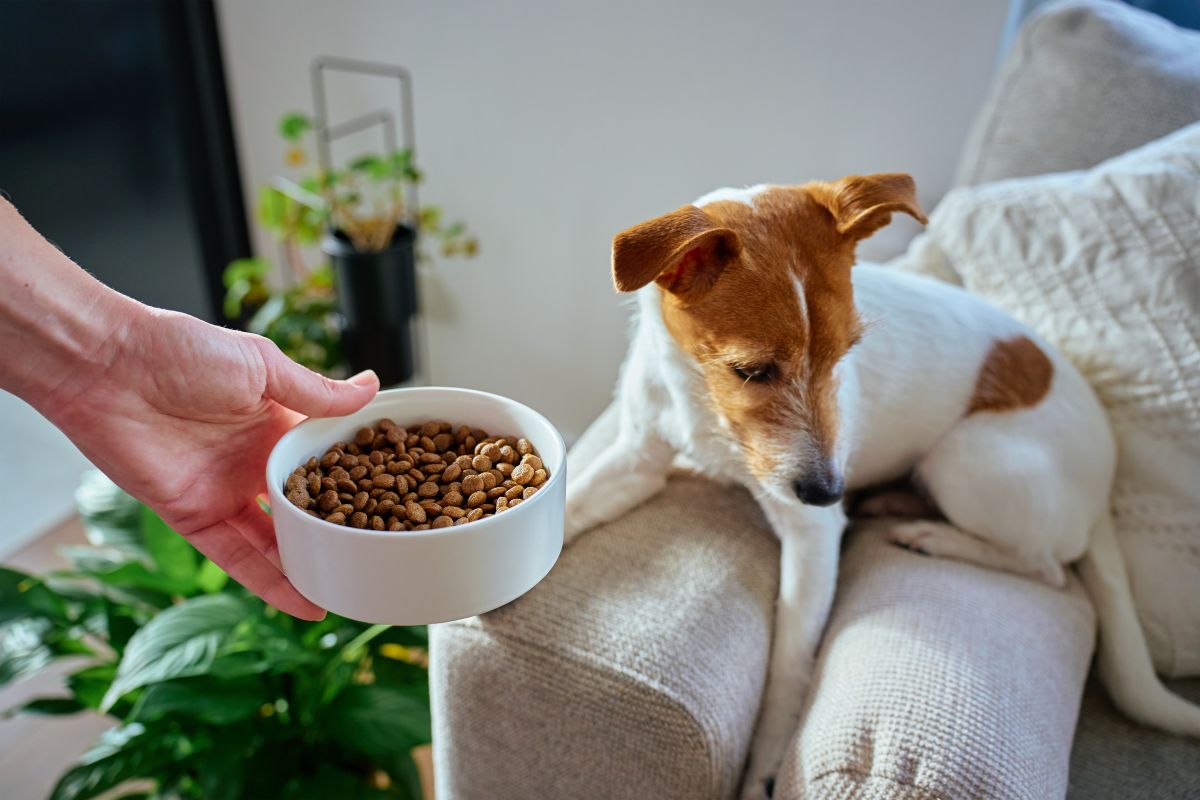
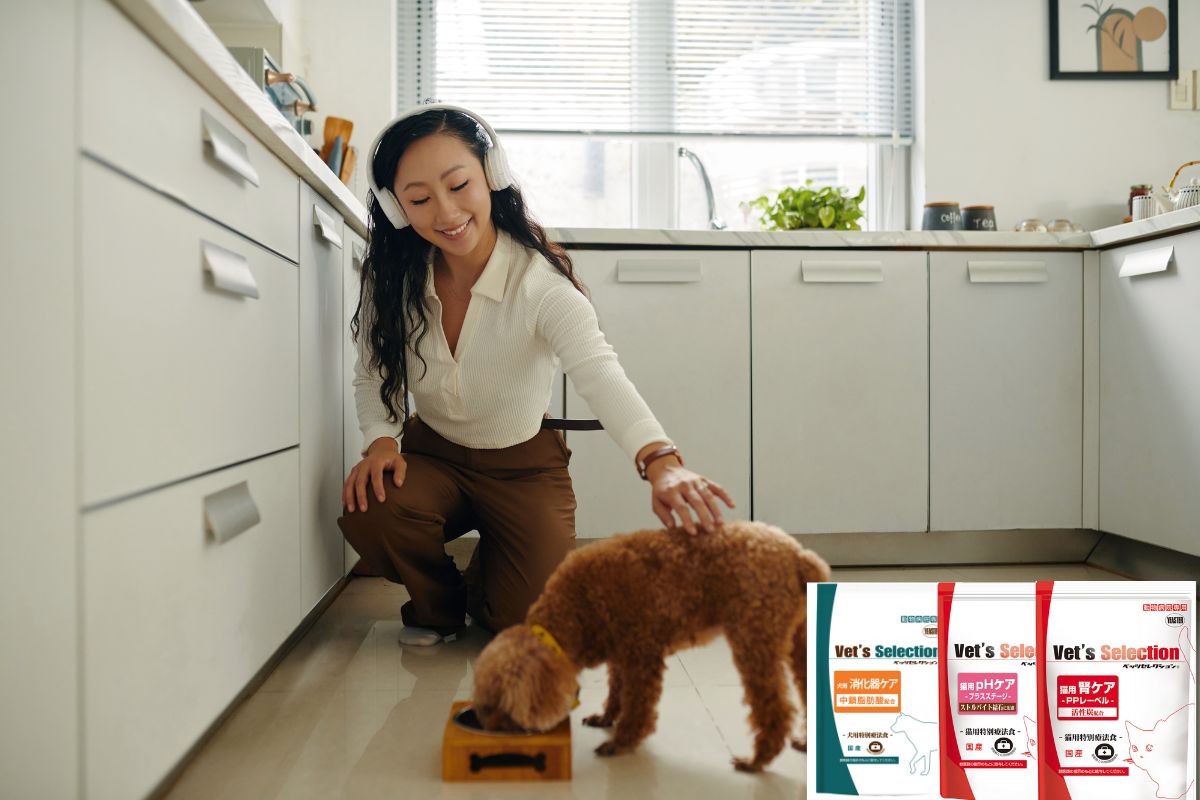
One of the biggest differences between a “pet owner” and a “pet parent” lies in how they approach nutrition. Rather than feeding random foods, pet parents study dietary needs based on species, age, and health condition.
Some choose to cook fresh meals at home, ensuring a balance of protein, fat, vitamins, and minerals. However, not everyone has the time or expertise to do so. In those cases, high-quality commercial pet food is a smart and reliable alternative.
In Vietnam, one popular product line is Vet’s Selection, manufactured in Japan. With a scientifically balanced formula and carefully selected ingredients, Vet’s Selection complete pet foods help improve nutrient absorption, boost immunity, and support digestion.
Pet parent – a compassionate trend in modern society
The rise of the “pet parent” concept reflects a shift in how people view their relationship with animals and nature. When we treat pets as family — with empathy and respect — it not only enriches our own lives but also promotes a kinder, more compassionate society.
Ultimately, being a pet parent isn’t just about “owning a pet.” It’s about growing together through love, where every wagging tail, gentle purr, or soft gaze becomes a heartfelt thank-you from your furry companion.
Being a pet parent is not just a label — it’s a journey of love and connection. It means learning, listening, and caring with all your heart. And through that journey, you’ll find that your pet gives back far more than affection — they bring joy, companionship, and the simple happiness of everyday life.