

 Vietnamese
  日本語
日本語  English
 Struvite stones are one of the most common urinary tract disorders in cats, especially in males. If left untreated, this condition can lead to serious complications such as infections, urethral blockages, and kidney failure, potentially threatening your pet’s life. Understanding the causes, symptoms, and prevention methods of struvite stones will help you take better care of your cat and protect its health effectively.
What are struvite stones in cats?
Struvite stones are urinary tract stones formed by crystallizing minerals such as magnesium, ammonium, and phosphate in the urine. When the urine has a high pH (alkaline), these minerals clump together, gradually forming stones. They can occur at any age, but adult cats—especially males—are at a higher risk due to their narrow urethras, which are more prone to blockages caused by small stones.

Causes of struvite stones in cats
An unbalanced diet
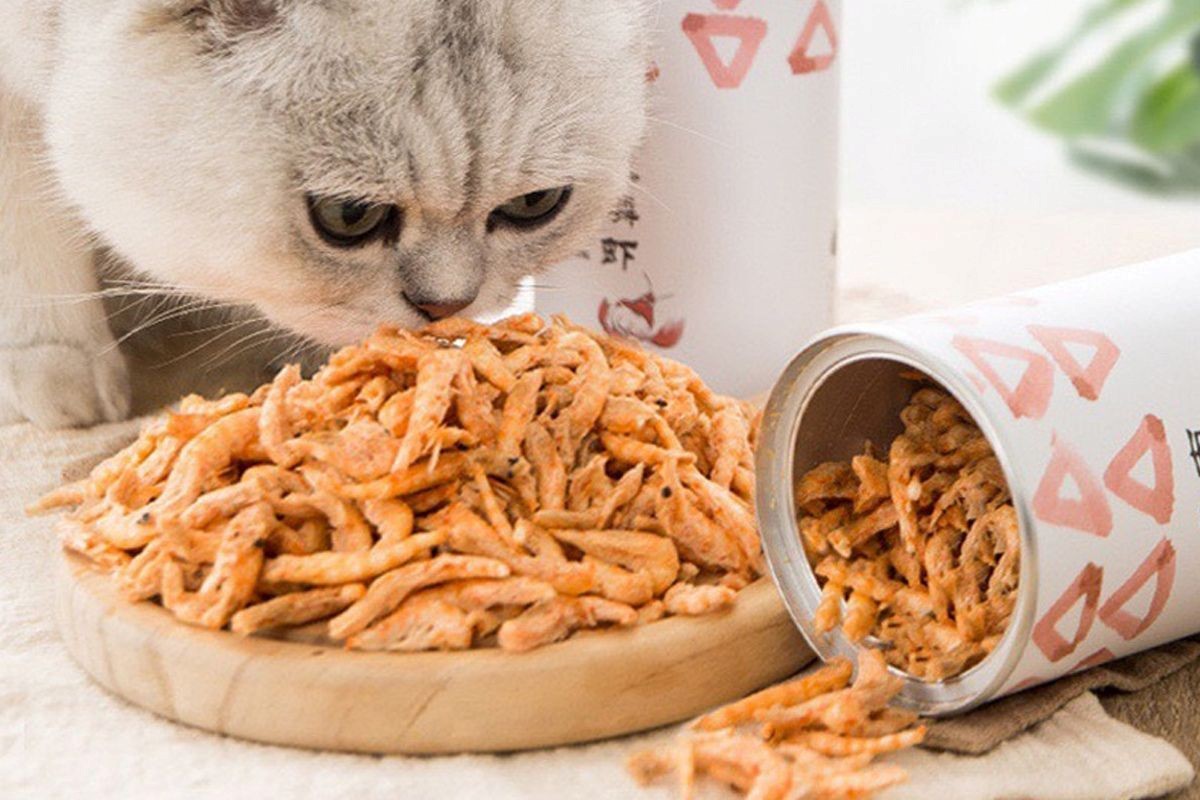
An improper diet is one of the leading causes of struvite stones in cats. Foods that contain high levels of magnesium, phosphate, and protein can alter the urine’s pH, making it more alkaline and promoting stone formation. Additionally, cats that eat mostly dry food without adequate water intake are more susceptible to this condition, as concentrated urine increases the likelihood of mineral crystallization in the bladder.
Inadequate water intake
Another significant cause is insufficient water intake. Due to their instincts as desert hunters, cats tend to absorb water from their prey rather than drinking frequently. As a result, many domestic cats do not drink enough water, leading to concentrated urine that encourages the formation of struvite stones.
Urinary tract infections (UTIs)
Urinary tract infections can also alter urine pH, creating an environment conducive to struvite stone development. Cats with chronic bladder inflammation or urethritis are at a higher risk of developing urinary stones compared to healthy cats.
Stress and lack of exercise
Chronic stress and a sedentary lifestyle contribute to an increased risk of urinary stones. When cats hold in their urine for too long or do not engage in regular physical activity, urine stagnation can occur, leading to the crystallization of minerals. Cats exposed to frequent environmental changes or stressors are also more prone to urinary disorders.
Symptoms of struvite stones in cats
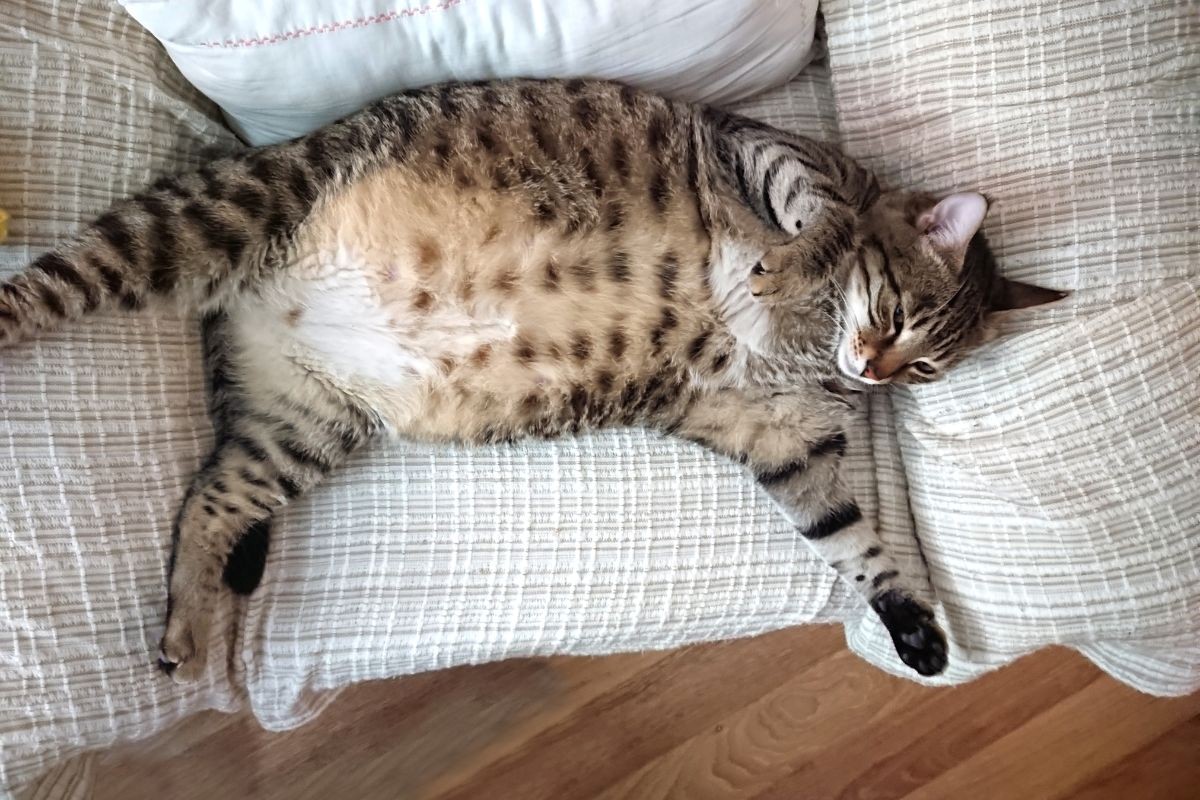
Cats suffering from urinary stones often exhibit distinct symptoms, such as difficulty urinating, frequent straining with only a few drops of urine, or urinating more frequently but in smaller amounts. Upon closer observation, you may notice that the urine appears pink or reddish due to blood contaminations, indicating that the bladder has been damaged.
Additionally, affected cats may cry out in pain while urinating or excessively lick their genital area due to discomfort. Some cats also lose their appetite, become lethargic, and show reduced activity levels. If left untreated, a cat with a completely blocked urethra may be unable to urinate for over 24 hours—a life-threatening emergency requiring immediate veterinary intervention.
How to prevent struvite stones in cats
Provide sufficient water
To minimize the risk of struvite stones, ensure that your cat drinks enough water daily. Always provide clean, fresh water and place multiple water bowls in different areas to encourage drinking. If your cat is reluctant to drink, consider using a water fountain or adding water to its wet food to increase hydration levels.
Maintain a proper diet
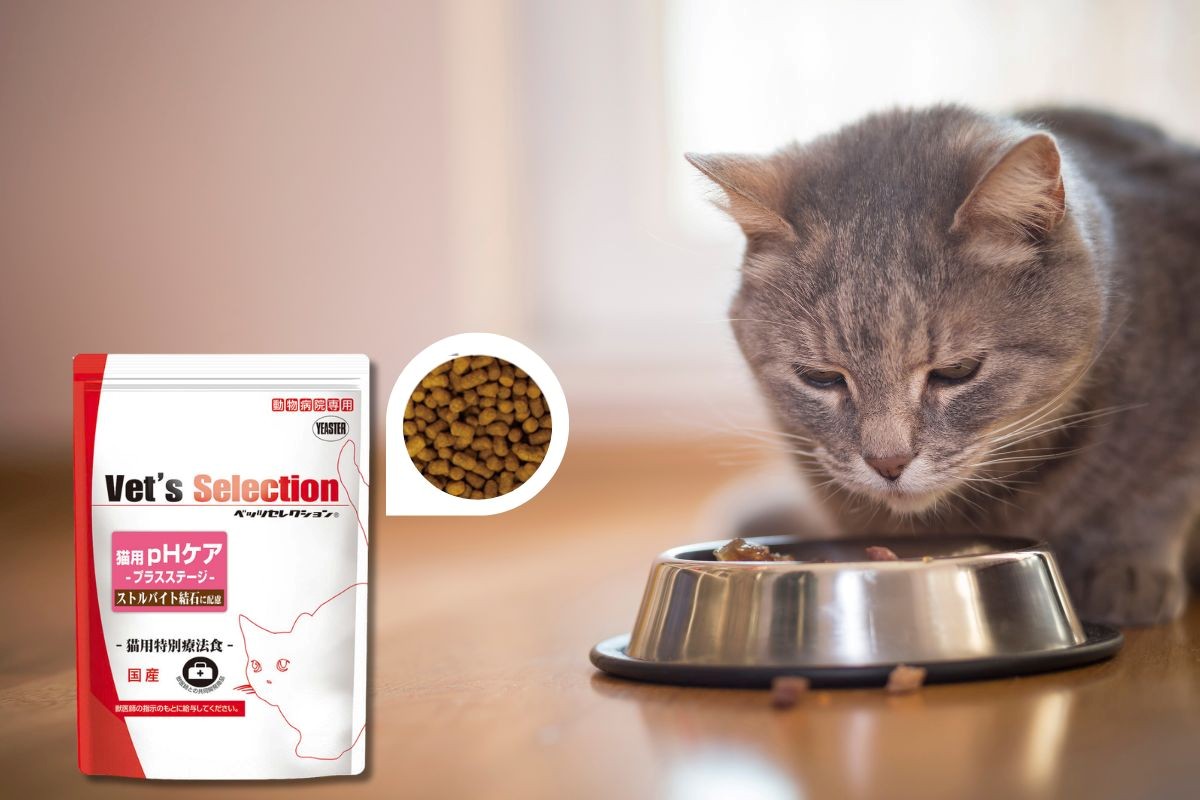
A scientifically formulated diet plays a crucial role in preventing urinary stones. Opt for cat food that helps maintain a balanced urine pH and reduces mineral crystallization. For example, Vet’s Selection pH Care Plus Stage for Cat from Japan is a suitable option that supports urinary health and helps prevent struvite stone formation.
Encourage exercise and reduce stress
Regular physical activity and a stress-free environment are essential for maintaining a healthy urinary system. Provide scratching posts, climbing trees, and interactive toys to keep your cat engaged. Minimizing environmental stress, such as sudden changes in routine or excessive noise, can also help prevent urinary disorders.
Treatment for struvite stones in cats
Dietary adjustments
If a cat has already developed struvite stones, treatment depends on the severity of the condition. In many cases, veterinarians recommend a specialized diet designed to dissolve the stones without the need for invasive procedures.
Medications
Veterinarians may prescribe antibiotics if there is an infection, along with pain relief and urinary pH-regulating medications to aid in recovery.
Catheterization and surgery
In cases where stones cause urethral blockages, catheterization may be necessary to allow urine to pass. For severe or recurrent cases, surgical removal of the stones might be required.
Struvite stones in cats are a serious health concern but can be effectively prevented with proper diet and lifestyle adjustments. Ensuring your cat drinks enough water, eats a well-balanced diet, and lives in a stress-free environment will significantly reduce the risk of urinary stones.