

 Vietnamese
  日本語
日本語  English
 Kidney stones are not just a human concern—they’re also a common urinary condition in cats. This painful condition can seriously affect your cat’s health and quality of life. Understanding the common types of kidney stones in cats will help you take preventive measures and provide proper care.
What are kidney stones in cats?
Kidney stones in cats (also called urolithiasis) refer to the buildup of mineral crystals in the urinary tract, especially in the kidneys or bladder. These stones can cause blockages, infections, and even kidney failure if not diagnosed and treated in time.
Common types of kidney stones in cats
1. Struvite stones (magnesium ammonium phosphate)
This is the most common type of stone, particularly in female cats or cats on high dry food diets.
- Causes: Alkaline urine, high magnesium levels, urinary tract infections, or an imbalanced diet.
- Characteristics: Soft, small stones that can usually be dissolved with a proper therapeutic diet.
- Prevention and treatment: Encourage water intake, reduce magnesium in the diet, and use specialized food that adjusts urine pH.
2. Calcium oxalate stones
These are increasingly common, especially in middle-aged or male cats.
- Causes: Genetic predisposition, calcium-rich diets, acidic urine, or metabolic disorders.
- Characteristics: Hard, non-dissolvable stones often require surgical removal or medical procedures such as lithotripsy.
- Prevention: Maintain a balanced diet, lower calcium intake, and encourage hydration to reduce mineral concentration in urine.
3. Uric acid (urate) stones
Less common but possible in cats with metabolic disorders or liver diseases.
- Causes: Diets high in purine (found in organ meats), inherited enzyme issues, or liver dysfunction.
- Characteristics: Small stones that may be partially dissolvable through dietary changes.
- Treatment: Adjust the diet to reduce purine intake and monitor liver health through regular veterinary checkups.
4. Cystine stones
This rare type is caused by a genetic defect that affects cystine absorption in the kidneys.
- Causes: A congenital metabolic disorder, occasionally seen in certain breeds.
- Treatment: Requires medication, specialized diet, and close veterinary monitoring.
Signs your cat may have kidney or urinary stones
Early detection is crucial to avoid severe complications. Watch out for:
- Difficulty or straining to urinate
- Frequent urination with small output
- Blood in the urine
- Crying or meowing in pain while using the litter box
- Lethargy, appetite loss, vomiting
- Changes in urination habits (e.g., peeing outside the litter box)
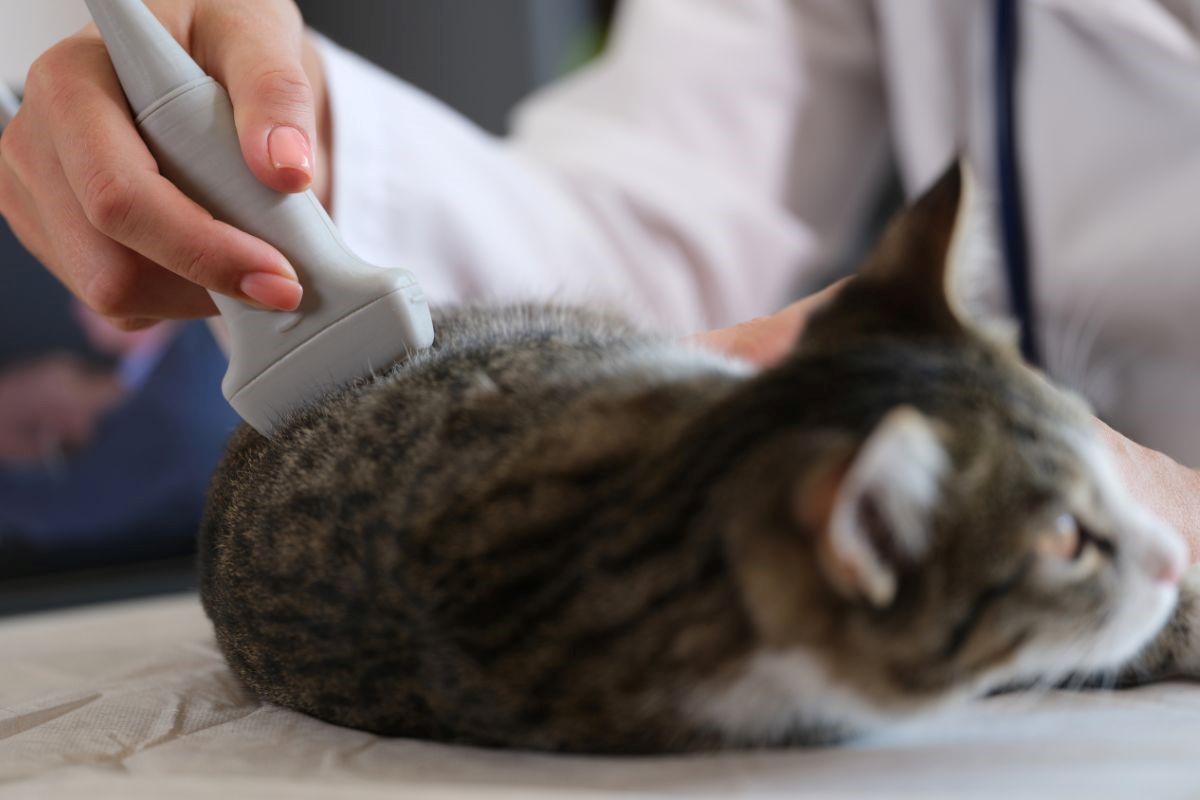
If you notice these signs, consult a veterinarian for ultrasound imaging, urinalysis, and proper diagnosis.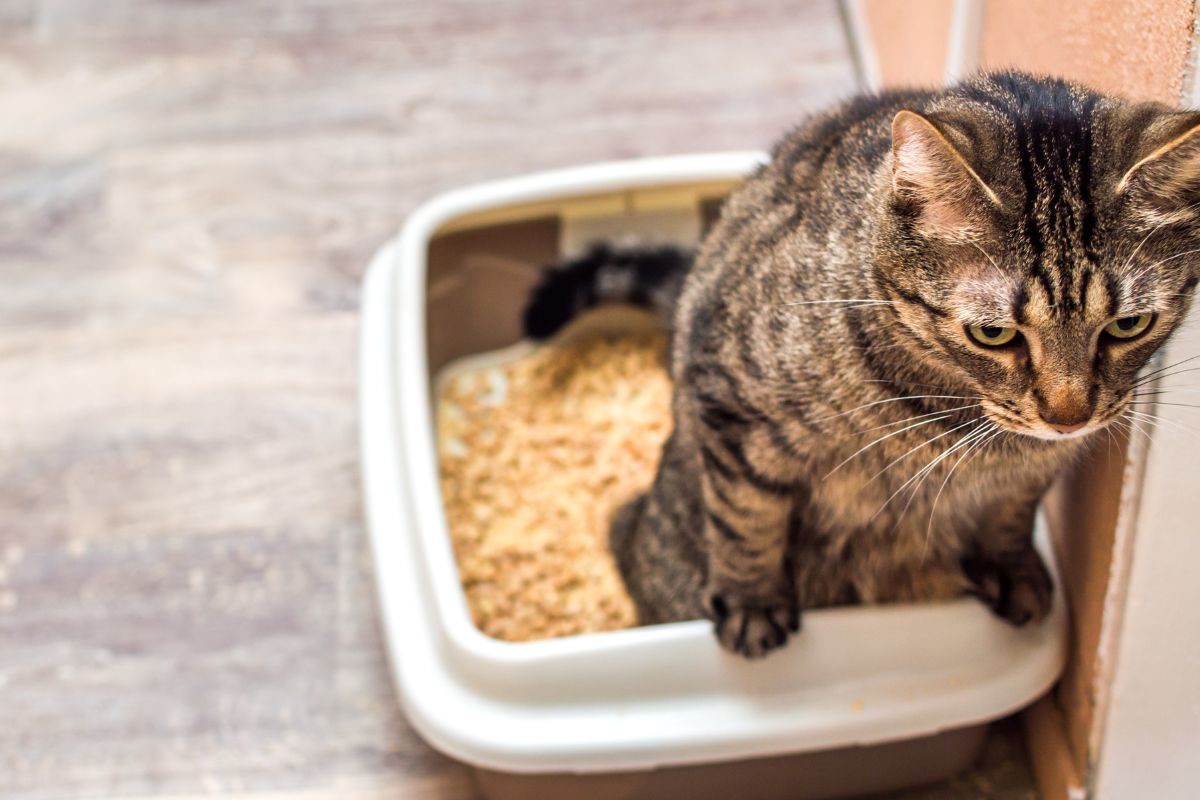
How to prevent kidney stones in cats
Prevention is always better than a cure, especially for chronic conditions like urolithiasis.
1. Ensure adequate hydration
Water helps dilute urine and prevents mineral buildup. If your cat doesn't like drinking water, try:
- Adding wet food or pâté to their diet
- Using cat water fountains to encourage drinking
2. Provide a suitable diet
Specialized diets can help control mineral levels, maintain proper urinary pH, and reduce the risk of crystal formation.
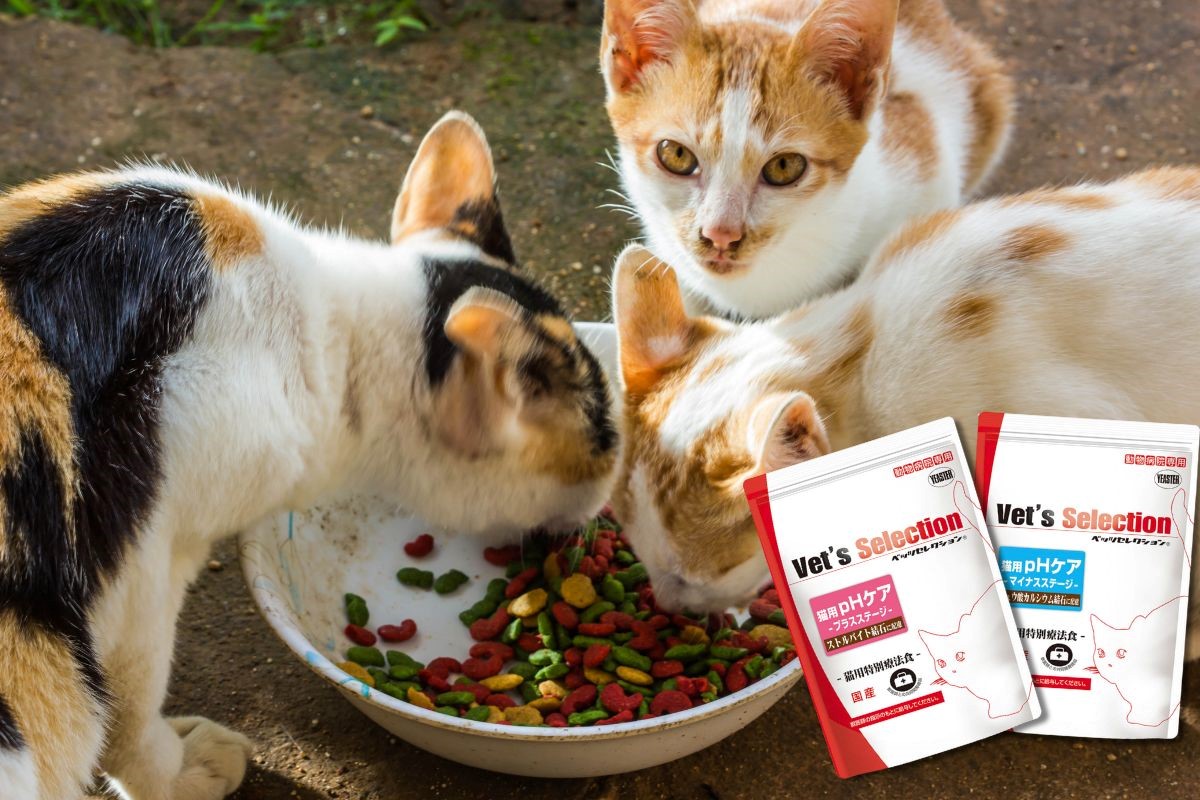
- For cats prone to calcium oxalate stones or requiring urinary pH balance, Vet’s Selection pH Care Plus Stage for Cat is a great choice to support long-term urinary health.
- For cats susceptible to struvite stones, Vet’s Selection pH Care Minus Stage for Cat helps lower urinary alkalinity and reduce crystal buildup.
3. Maintain a healthy weight and activity
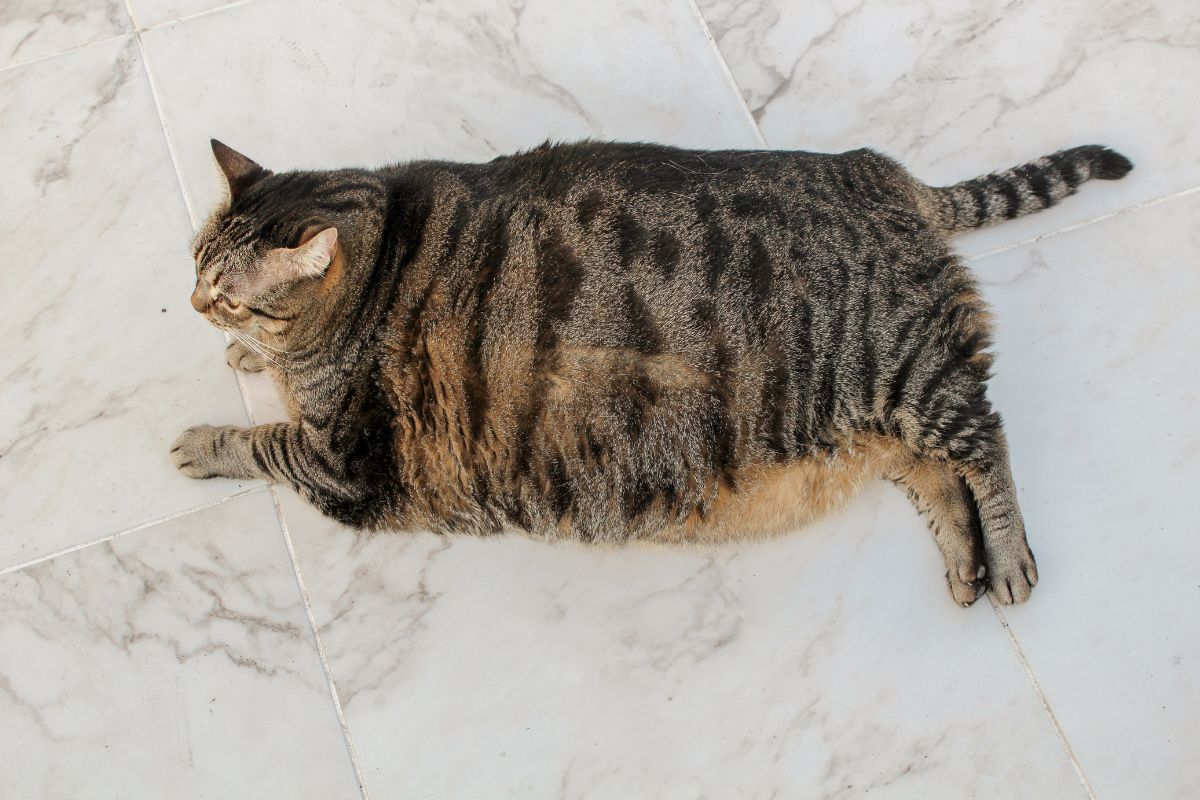
Overweight cats are more prone to kidney stones. Keep your cat active with interactive toys and monitor food portions to manage their weight.
4. Schedule regular vet checkups
Routine health checks help detect early signs of urinary tract issues and allow for timely intervention.
 Kidney stones are a serious condition in cats and should not be overlooked. Understanding common types like struvite, calcium oxalate, urate, or cystine stones will help you take the right steps in prevention and care. A proper diet, good hydration, and support from tailored nutrition like Vet’s Selection pH Care Plus or Minus Stage for Cat can be effective tools to protect your cat’s urinary system and overall well-being.