

 Vietnamese
  日本語
日本語  English
A healthy digestive system is essential for maintaining the body's overall health. However, we unintentionally destroy the digestive system through daily habits, eating habits, and living environment.
Habits that negatively affect the digestive system
1. Stressful work, uncomfortable spirit
The digestive system and the brain are closely related. When stressed, the body produces hormones such as cortisol, which directly affect the digestive process. Stress can make you lose your appetite, reduce stomach acid secretion, disrupt intestinal motility, and cause indigestion symptoms. In addition, prolonged stress can lead to diseases such as spastic colitis, stomach disease, diarrhoea, dry mouth, and indigestion.

2. Smoking and drinking alcohol
Nicotine in cigarettes reduces blood flow to the stomach and reduces digestive secretions, creating conditions for ulcers to form. Alcohol also increases the amount of acid in the stomach, causing problems such as heartburn, gastric reflux, and gastric ulcers. In addition, alcohol is also an agent that causes an imbalance of bacteria in the intestines, affecting the digestion and absorption of nutrients.
3. Eating late at night
After a long day, the stomach needs time to digest food. When eating late at night, the body does not have enough time to complete the digestion process, leading to a situation where the food is not fully digested. Eating late at night, especially fatty or sour foods, can cause gastric reflux, affecting the health of the stomach and oesophagus. If this condition occurs frequently, it can lead to more severe diseases, such as esophagitis or gastric ulcers.
4. Eating while doing other things
A common but very harmful habit for the digestive system is eating while doing other things, such as surfing the phone, watching TV or working. When you do not focus on eating, the digestive process will be interrupted, causing the stomach to be unable to secrete enough digestive juices, leading to bloating, indigestion and even diarrhoea and constipation in the long term.

5. Unhealthy foods
Unhealthy diets, including processed foods, fast foods, canned foods, or foods that are not adequately preserved, will upset the balance of intestinal bacteria and harm the digestive system. Contaminated foods, raw or undercooked foods, and foods that are not hygienically safe can cause inflammation in the intestinal tract, leading to diseases such as diarrhoea, colitis, or stomach ulcers.
6. Antibiotic abuse
Abusing antibiotics without a doctor's prescription is a common mistake, especially in children. Antibiotics can kill harmful and beneficial bacteria in the digestive system, causing an imbalance in the intestinal microflora.
How to take care of a healthy digestive system every day
To maintain a healthy digestive system, in addition to avoiding the above mistakes, you need to practice some good habits to take care of your digestive health every day:
1. Provide enough water for the body
Experts recommend that each person drink 2 to 2.5 litres of water per day to maintain digestive function. Drinking water about 60 minutes before or after meals helps support digestion without diluting gastric juices.
2. Exercise regularly and control stress
Exercise helps improve overall health and helps the digestive system function better. Regular exercise helps increase blood circulation, reduce stress and promote digestion.

3. Maintain a reasonable eating habit
Eat on time and do not skip meals, especially breakfast, to give your stomach enough time to digest food. You should also eat slowly, chew thoroughly and avoid overeating hard-to-digest food in the evening. In addition, fast food and foods high in fat should be limited, and people should drink enough water daily to aid digestion.
4. Supplement fibre, good fats, vitamins and minerals
Fibre is an indispensable component in the diet to maintain digestive health. Supplementing vegetables, fruits, seeds, and grains helps promote digestion and prevent constipation.
Vitamins and minerals act as catalysts to help convert food into energy. Therefore, we should provide enough vitamins and minerals according to each age and stage of our development. Must have enough fat-soluble vitamins (A, D, E, K); water-soluble vitamins (B, C, F); minerals such as iron, zinc, and calcium, ... Diversify foods such as vegetables, tubers, fruits, eggs, fish, milk to supplement vitamins and minerals for the body entirely.
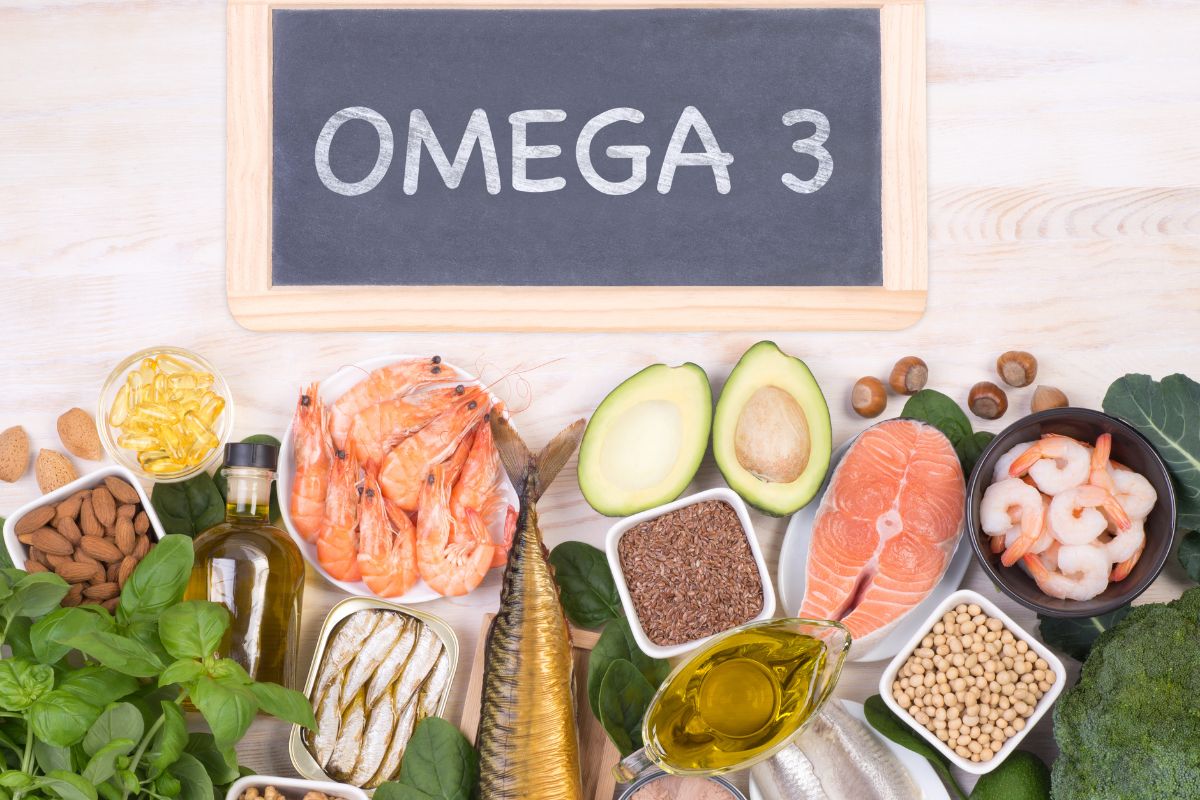
In addition, you should also supplement good fats such as Omega 3 to help increase beneficial intestinal bacteria and absorb essential nutrients.
5. Balance intestinal microflora:
The intestinal microflora is a barrier to protect human health, plays a role in metabolism, strengthens the immune system, and helps fight disease. Adding probiotics such as Japanese probiotic BB536 Morinaga to the diet is a simple and effective method to maintain intestinal microflora balance.