

 Vietnamese
  日本語
日本語  English
 Pâté is a popular food choice for many cat owners due to its delicious taste and easy digestibility. However, the question arises: Is it healthy for cats to eat too much pâté? When should you adjust their diet to ensure long-term health? Let’s explore the potential effects of feeding cats too much pâté and when it’s necessary to balance their diet for optimal health.
Why do cats like pâté?
Cats are obligate carnivores, meaning they thrive on a diet rich in protein, fats, and low in carbohydrates. Pâté, which primarily consists of meat and fats, aligns with the nutritional needs of cats. Additionally, pâté has an appealing flavor, a soft texture that’s easy to digest, and is especially beneficial for picky eaters or cats recovering from illness. Therefore, it’s understandable why cats enjoy pâté. However, feeding them too much can lead to health issues that need attention.

Is it good for cats to eat too much pâté?
1. Nutritional risks
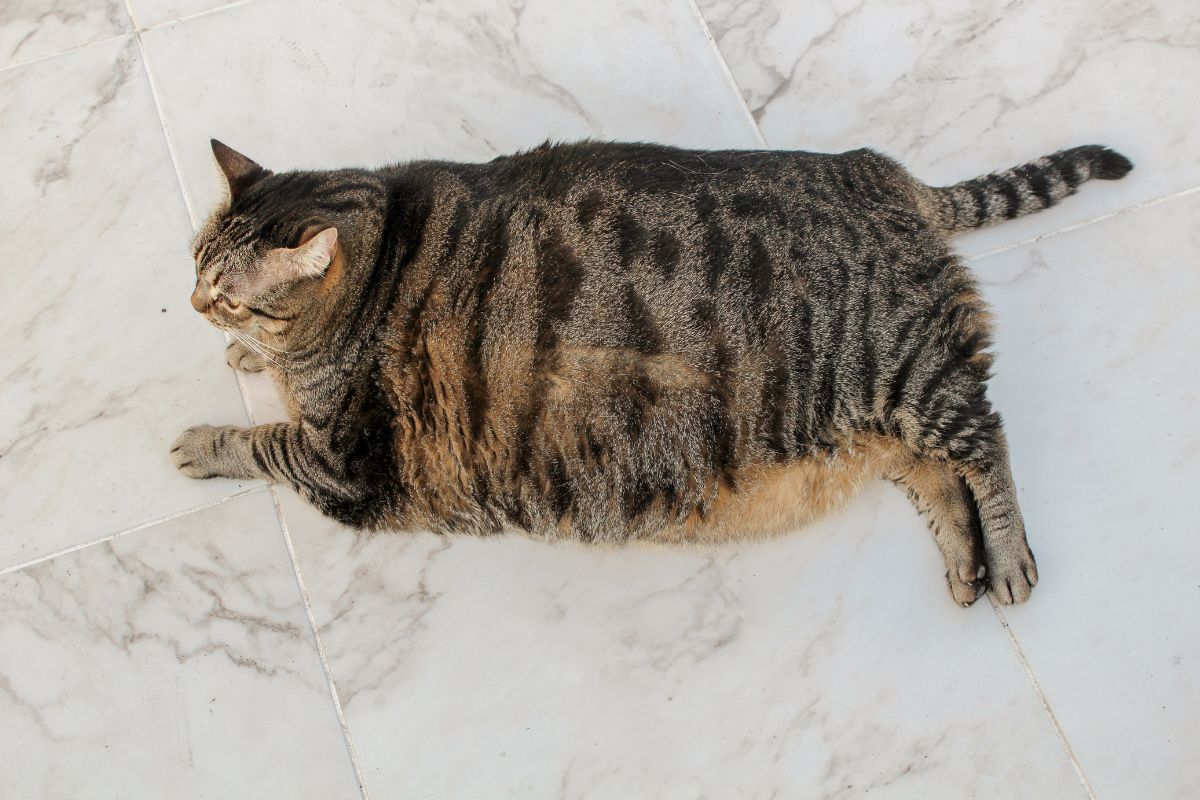
While pâté is a great source of high-quality protein for cats, feeding them too much can lead to an imbalanced diet. Some types of pâté are high in fat, which, if consumed in excess, can lead to obesity. Obesity is a common issue in indoor cats and can result in serious health problems, such as diabetes, heart disease, and joint issues.
Furthermore, pâté may not be a complete food source, as it can lack certain essential nutrients that cats need for long-term health. A diet that’s too rich in pâté could result in deficiencies in important vitamins, minerals, and fiber that are vital for a cat’s overall health.
2. Impact on kidney and urinary health
One major concern with pâté is its relatively high salt content, which can be harmful to a cat's kidney health if consumed excessively over time. Cats’ kidneys are naturally very sensitive, and maintaining a balance of water and electrolytes is crucial. For cats with pre-existing kidney issues or urinary tract problems, too much pâté can exacerbate these conditions.
Moreover, pâté can lead to digestive issues, especially if cats aren’t drinking enough water or lacking fiber in their diet. This can result in constipation or other gastrointestinal problems.
When should you balance your cat’s diet?
While pâté can be a beneficial part of your cat’s diet, it shouldn’t be the sole food source. To maintain optimal health, it’s important to ensure a balanced and varied diet, combining both dry and wet foods. Pay attention to the following signs to recognize when it's time to adjust your cat’s eating habits:
1. Overweight or obesity
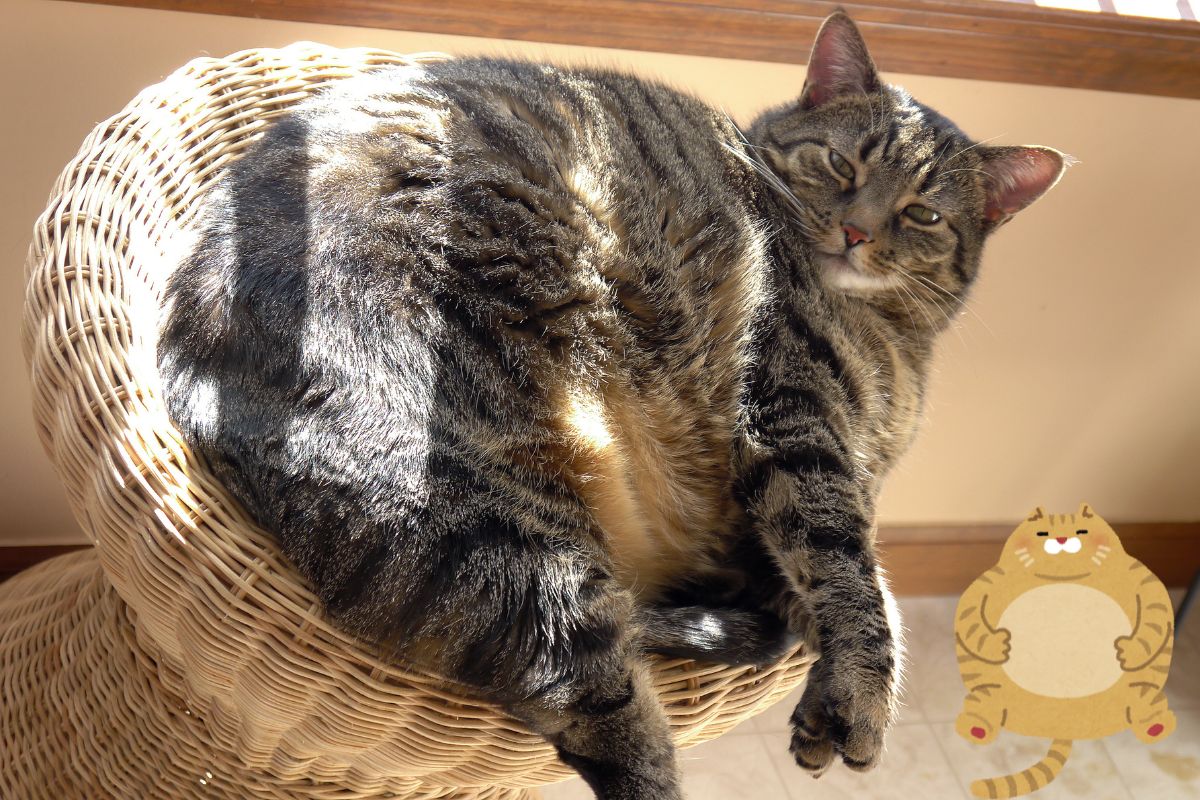
If your cat begins to show signs of rapid weight gain, it’s important to review the amount of pâté they’re consuming and adjust their portions. A diet that’s too rich in fat, like pâté, can easily lead to weight gain. To maintain a healthy weight, you should limit the amount of pâté and incorporate dry food or other foods that help control weight.
2. Digestive issues
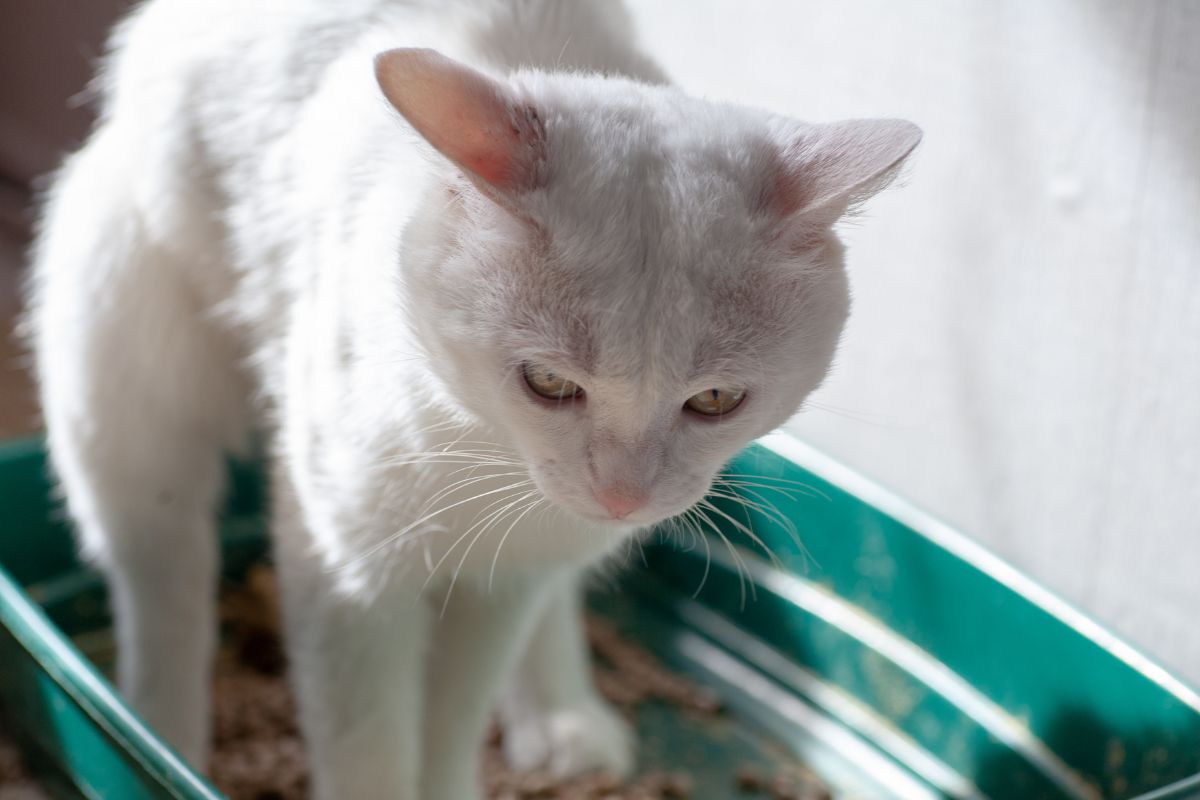
If your cat experiences diarrhea, constipation, or vomiting after eating pâté, this may indicate that their diet needs to be adjusted. Pâté lacks sufficient fiber, so if your cat is constipated, you may need to add fiber-rich foods or digestion support supplements.
3. Insufficient water intake
While pâté helps provide some hydration due to its moisture content, if your cat is only eating pâté and not drinking enough water, dehydration can occur. Ensure that your cat has access to plenty of fresh water, especially if they are eating dry food or pâté.
4. Kidney disease or diabetes
For cats with a history of kidney disease or diabetes, special care should be taken with their diet. If your cat consumes too much pâté, especially with its high salt and fat content, their condition could worsen. It’s important to consult with a veterinarian to choose the right diet for your cat.
Tips for a balanced diet
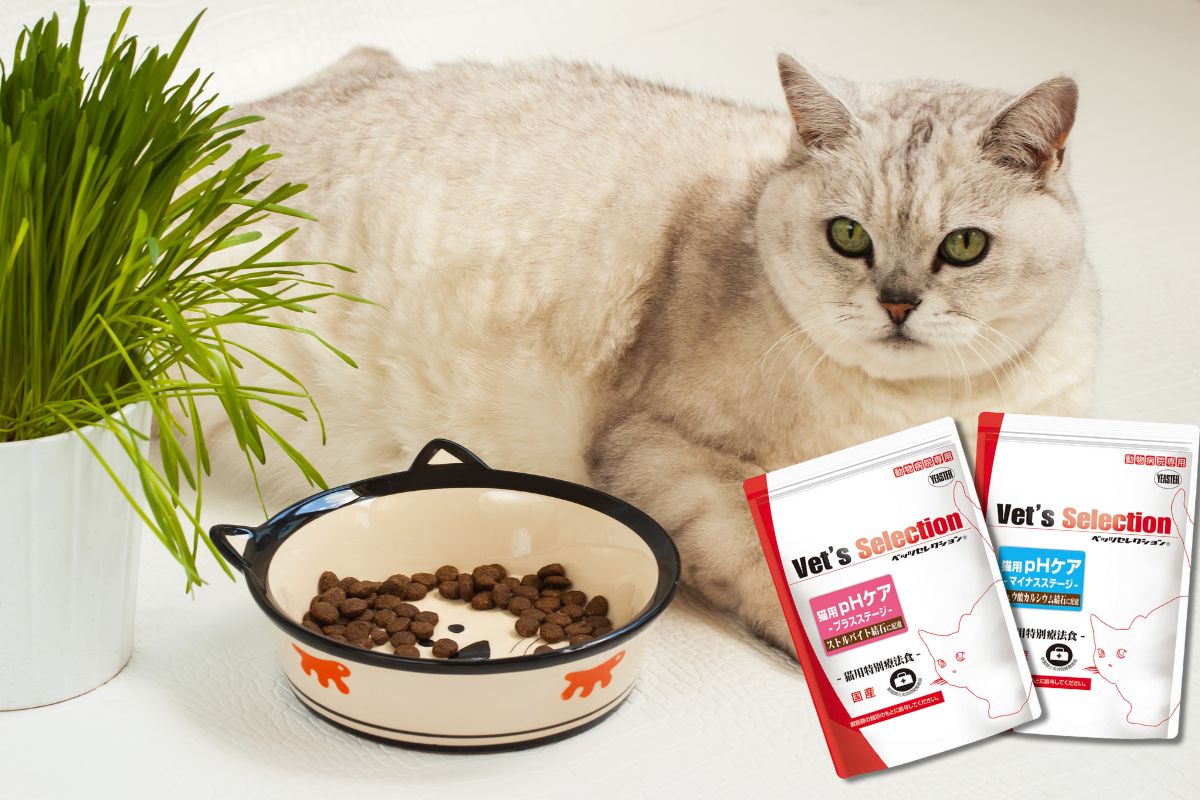
To ensure your cat has a healthy and well-rounded diet, it’s essential to combine both dry and wet food. You can choose high-quality dry food that supports dental health, such as Vet’s Selection pH Care Plus Stage for Cat, or opt for nutrient-rich pâté that supports digestion and urinary health. This balanced approach will help maintain long-term health while preventing excess fat intake or nutritional deficiencies.
While pâté can be a delicious and nutritious option for your cat, feeding them too much can negatively affect their health if the diet is not well-balanced. To keep your cat healthy, provide them with a varied diet that includes both dry and wet food, and be mindful of portion control and nutritional content. If needed, consult with your veterinarian to develop the most suitable diet plan for your cat.