

 Vietnamese
  日本語
日本語  English
 It’s not uncommon for cats to vomit after eating—but is it simply a matter of being “picky,” or could it be an early sign of digestive problems? Many pet owners tend to overlook mild vomiting episodes, assuming they’re harmless. However, in some cases, vomiting may indicate more serious underlying health issues. This article will help you distinguish between normal (physiological) and abnormal (pathological) vomiting in cats, and provide tips on prevention and care.
Common reasons why cats vomit after eating
Cats have sensitive digestive systems. Vomiting after meals can stem from simple causes like eating too quickly, or more serious issues such as food allergies, gastrointestinal disorders, or chronic diseases. Common causes include:
- Eating too quickly, leading to undigested food accumulating in the stomach.
- Ingesting fur while grooming, which irritates the stomach.
- Allergic reactions to certain foods, especially raw fish or shrimp.
- Poor-quality food with too many fillers or artificial additives.
- Underlying illnesses affecting the liver, kidneys, stomach, or thyroid.
Not all vomiting is dangerous, but understanding the cause is essential to respond properly and prevent complications.
How to tell normal from abnormal vomiting
To assess the level of risk, it’s important to distinguish between physiological (normal) and pathological (abnormal) vomiting. Here are some signs to help you differentiate:
Physiological vomiting: Occurs infrequently (1–2 times per week), typically right after eating. The cat otherwise remains active, eats normally, and the vomit mostly contains undigested food or hair.
Pathological vomiting: Happens repeatedly throughout the day for several days in a row. The vomit may contain bile, blood, or have a foul odor. The cat may refuse food, show signs of diarrhea, lose weight, and become lethargic.
If you observe signs of pathological vomiting, it’s best to take your cat to the vet for a full check-up as soon as possible.
Common types of vomiting and how to deal with them
Vomiting due to fast eating
Some cats gobble their food out of anxiety or hunger, which causes regurgitation before the food is fully digested.
Solution: Use a slow-feeder bowl, divide meals into smaller portions, and establish regular feeding times.
Vomiting due to hairballs
While grooming, cats can swallow large amounts of loose fur that eventually irritate the stomach and trigger vomiting.
Solution: Brush your cat regularly, and provide malt paste or specially formulated treats to help pass hairballs more easily.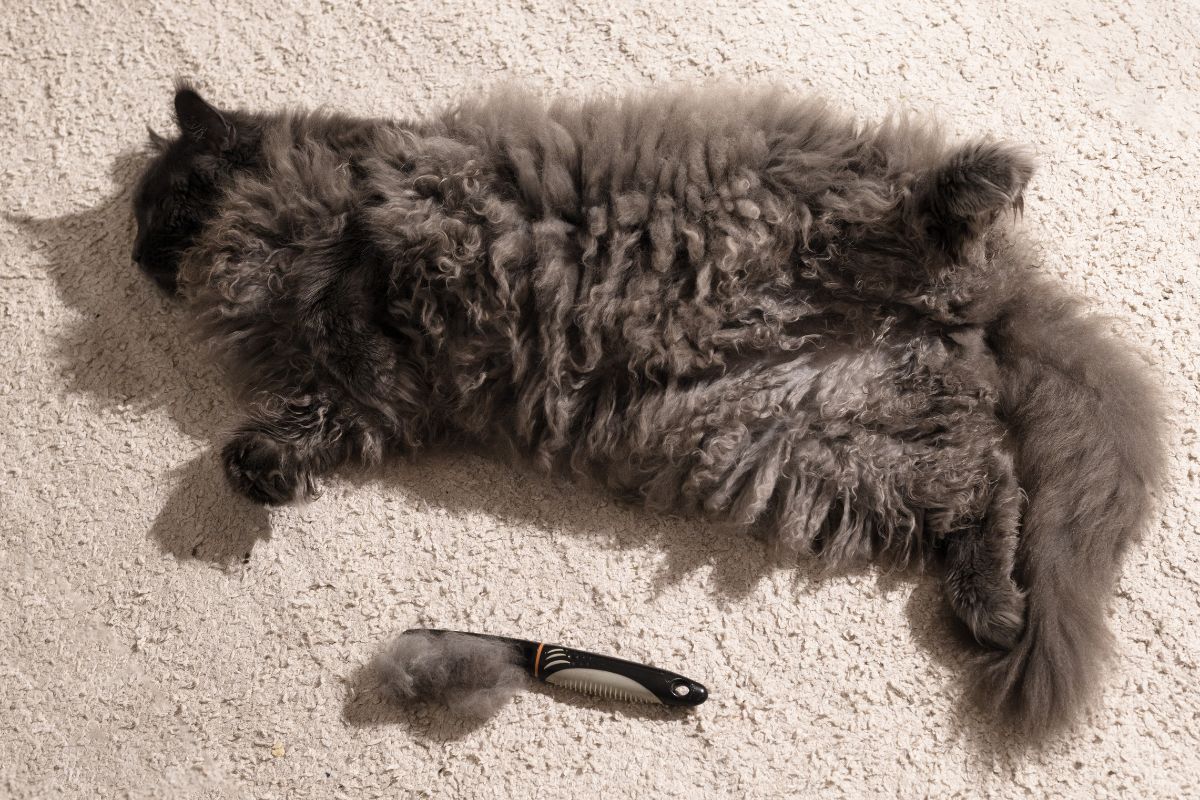
Vomiting caused by unsuitable food
Low-quality or overly processed foods can upset a cat’s digestive system and lead to vomiting after meals.
Solution: Switch to food that’s gentle on the stomach. For example, Vet’s Selection PH Care Plus Stage for Cat is specially formulated for cats with sensitive digestion and helps reduce post-meal vomiting.
Vomiting caused by medical conditions
Chronic illnesses like gastritis, kidney disease, or hyperthyroidism can also lead to frequent vomiting and require veterinary intervention.
For cats with kidney issues—a common cause of prolonged vomiting—you may consider therapeutic diets such as:
When should you take your cat to the vet?
While occasional vomiting may not be alarming, you should visit a vet if your cat shows any of the following symptoms:
- Vomiting frequently and continuously for more than a day.
- Signs of dehydration, weakness, or refusal to eat.
- Vomit contains blood or unusual fluids.
- Diarrhea with strong odor or blood.
- Rapid, unexplained weight loss.
Early diagnosis can prevent more serious health problems later on.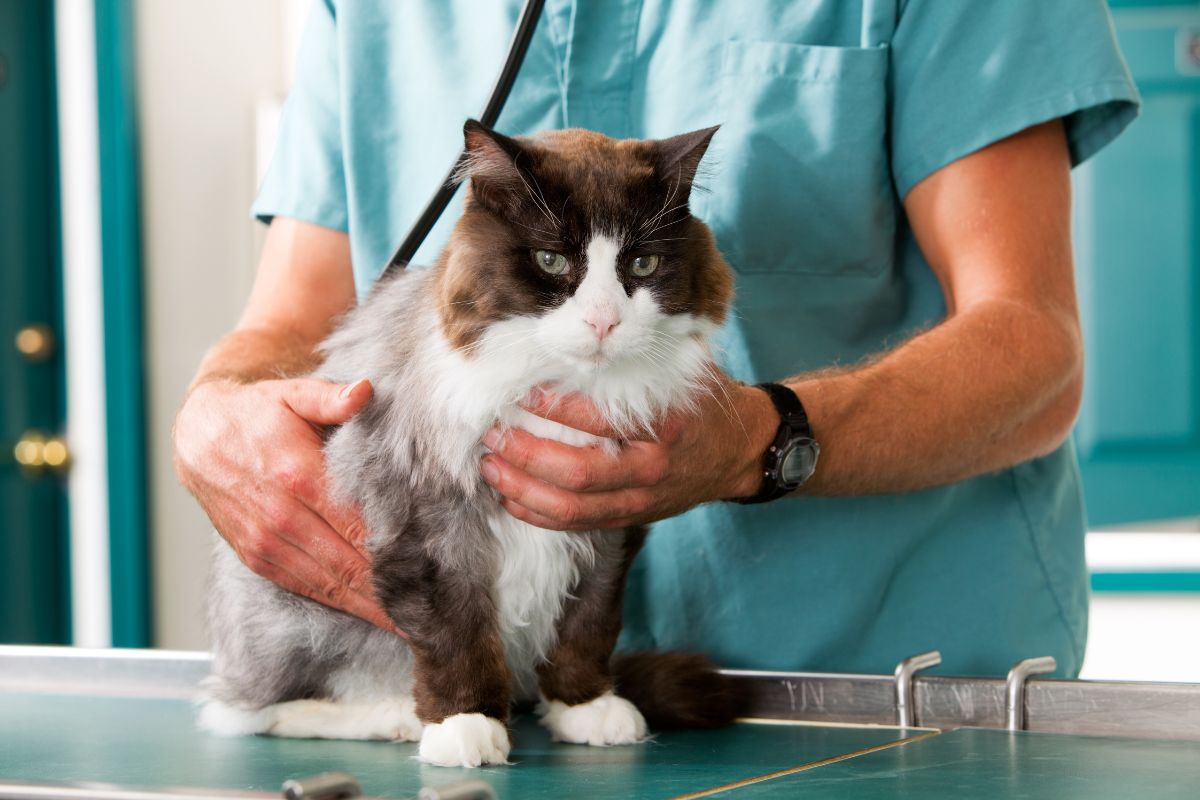
How to prevent vomiting in cats
To minimize vomiting, consider the following tips:
- Choose high-quality food that suits your cat’s age and health condition.
- Feed smaller, more frequent meals to prevent overeating.
- Avoid giving raw food, oily dishes, or human leftovers.
- Brush regularly—especially long-haired cats—to reduce hairball buildup.
- Keep your cat’s environment stable and stress-free.
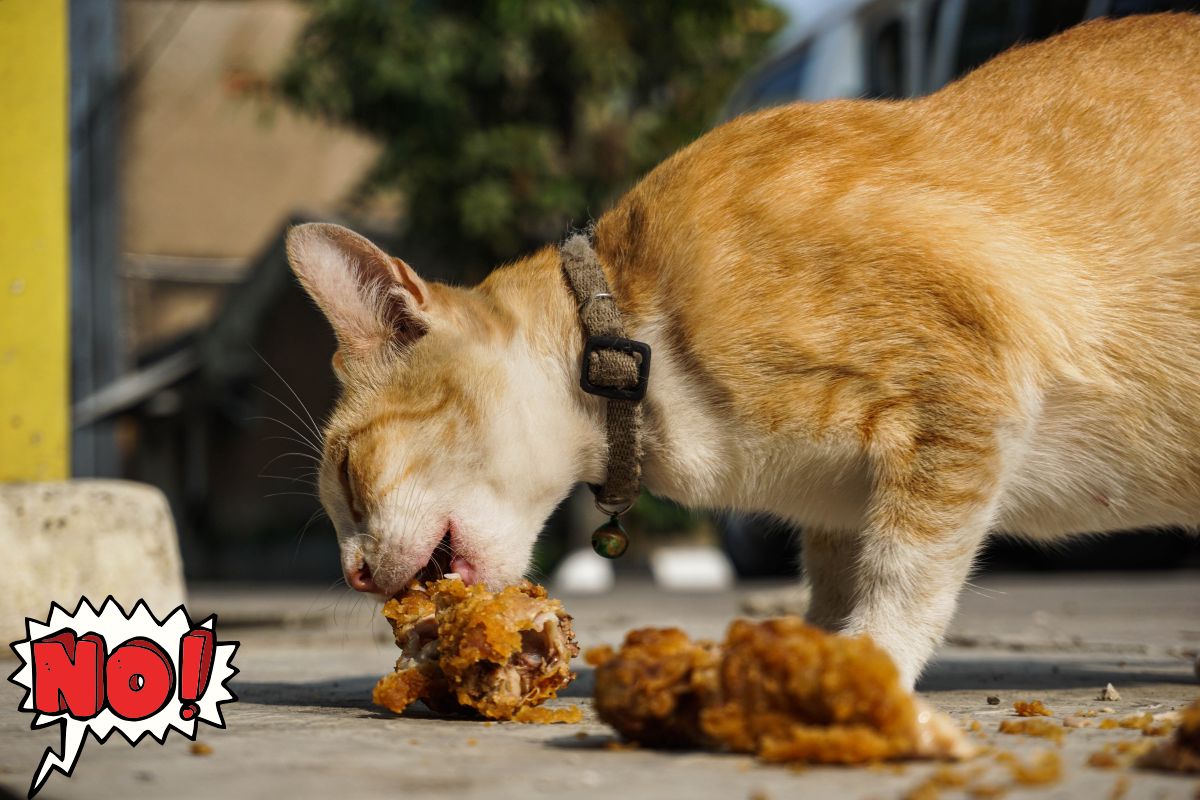
Vomiting after meals can result from minor issues, but sometimes it's an early indicator of serious health concerns. By closely monitoring your cat’s habits, providing appropriate nutrition, and scheduling regular vet check-ups, you can ensure your furry friend stays healthy and comfortable. Be a caring, observant companion—and your cat will thank you in its own quiet way.